Related blogs


Helping Preschoolers Build Self-Regulation Skills
Social-Emotional Learning
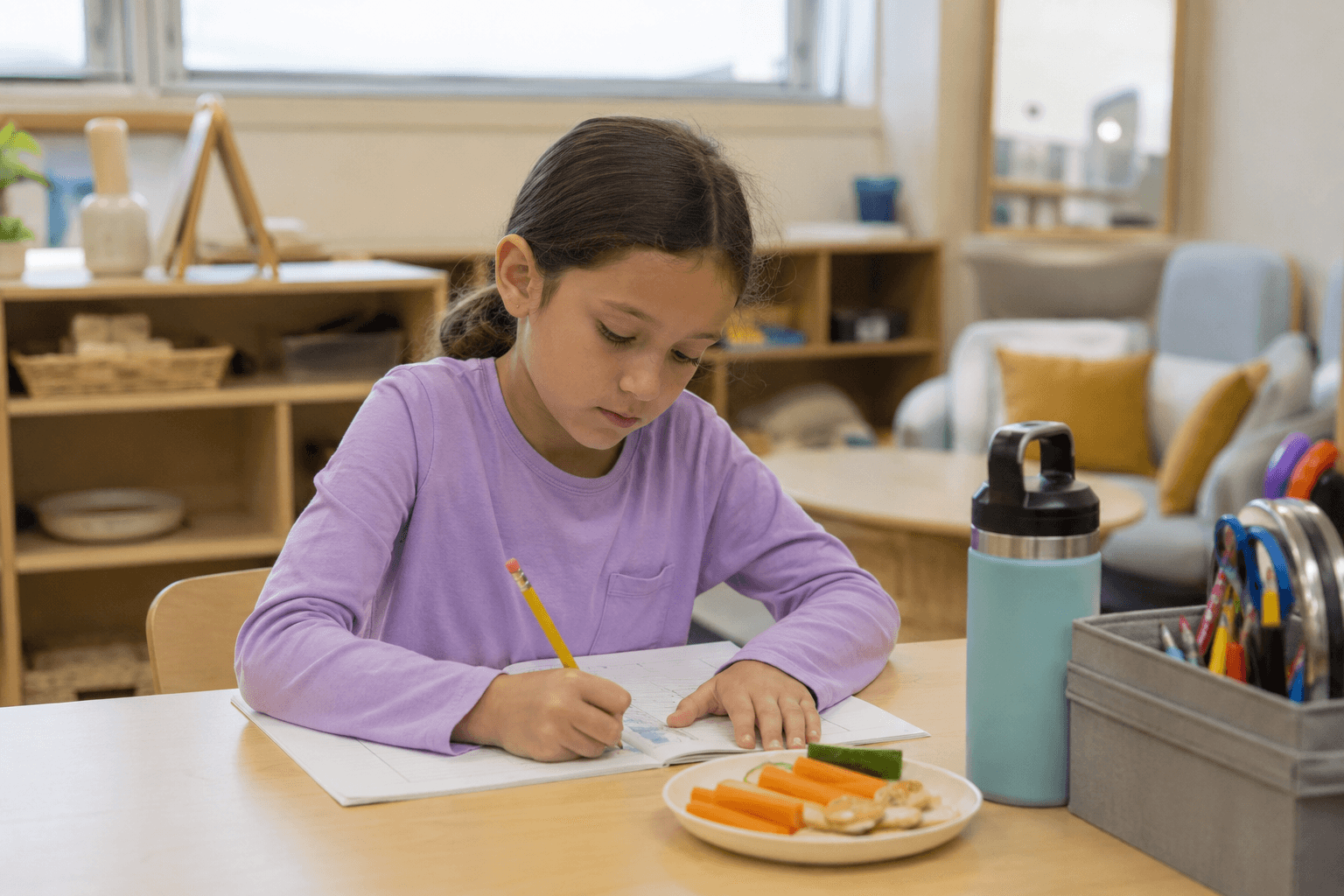
Self-regulation is one of the most important early childhood skills, but it does not mean expecting preschoolers to behave like older children. In simple terms, self-regulation is how children begin learning to manage emotions, behavior, attention, and reactions with help from caring adults. Head Start identifies emotional and behavioral self-regulation as an important part of school readiness because it affects how children participate in learning, relationships, and routines.
In preschool, self-regulation often looks like waiting for a turn, following a simple rule, using words instead of impulsive behavior, calming down after frustration, and moving back into group activities with support. Developmental milestone guidance also reflects this kind of growth in practical ways. CDC notes that around age 3, children may calm down within 10 minutes after a caregiver leaves at childcare, while by age 5 children may follow rules or take turns when playing games with other children.
Self-regulation is one of the most important early childhood skills, but it does not mean expecting preschoolers to behave like older children. In simple terms, self-regulation is how children begin learning to manage emotions, behavior, attention, and reactions with help from caring adults. Head Start identifies emotional and behavioral self-regulation as an important part of school readiness because it affects how children participate in learning, relationships, and routines.
In preschool, self-regulation often looks like waiting for a turn, following a simple rule, using words instead of impulsive behavior, calming down after frustration, and moving back into group activities with support. Developmental milestone guidance also reflects this kind of growth in practical ways. CDC notes that around age 3, children may calm down within 10 minutes after a caregiver leaves at childcare, while by age 5 children may follow rules or take turns when playing games with other children.
Self-regulation grows through practice, routines, and caring support.
Preschoolers are still learning how to manage feelings, behavior, and attention, and they do best when adults guide the process step by step.
These skills develop gradually. They grow through repeated practice, predictable routines, caring relationships, and intentional adult guidance. That is why early learning environments matter so much during the preschool years.
A strong preschool classroom supports self-regulation all day long. Children practice listening during group time, waiting during transitions, cleaning up materials, taking turns in games, and using simple calming strategies when emotions feel big. These experiences help children build the foundation for classroom participation and social confidence.
Adults play a central role in this process. Head Start’s guidance emphasizes that children build self-regulation when adults intentionally teach, model, observe, and support these skills instead of expecting children to manage every situation alone. CDC guidance for 3-year-olds similarly encourages adults to give children words for feelings, set simple rules, and show them what to do instead when behavior needs redirection. [web:125][web:44]
These skills develop gradually. They grow through repeated practice, predictable routines, caring relationships, and intentional adult guidance. That is why early learning environments matter so much during the preschool years.
A strong preschool classroom supports self-regulation all day long. Children practice listening during group time, waiting during transitions, cleaning up materials, taking turns in games, and using simple calming strategies when emotions feel big. These experiences help children build the foundation for classroom participation and social confidence.
Adults play a central role in this process. Head Start’s guidance emphasizes that children build self-regulation when adults intentionally teach, model, observe, and support these skills instead of expecting children to manage every situation alone. CDC guidance for 3-year-olds similarly encourages adults to give children words for feelings, set simple rules, and show them what to do instead when behavior needs redirection. [web:125][web:44]
These skills develop gradually. They grow through repeated practice, predictable routines, caring relationships, and intentional adult guidance. That is why early learning environments matter so much during the preschool years.
A strong preschool classroom supports self-regulation all day long. Children practice listening during group time, waiting during transitions, cleaning up materials, taking turns in games, and using simple calming strategies when emotions feel big. These experiences help children build the foundation for classroom participation and social confidence.
Adults play a central role in this process. Head Start’s guidance emphasizes that children build self-regulation when adults intentionally teach, model, observe, and support these skills instead of expecting children to manage every situation alone. CDC guidance for 3-year-olds similarly encourages adults to give children words for feelings, set simple rules, and show them what to do instead when behavior needs redirection. [web:125][web:44]
Development between ages 4 and 5 happens across many areas at once.
Language and communication
Many children ages 4 to 5 become more talkative, answer simple questions, talk about their day, and begin telling stories with more detail.
Social and emotional growth
Children may ask to play with others, comfort friends, take turns more often, and become more aware of group expectations.
Thinking and learning
Many preschoolers begin naming colors, counting, following sequences, paying attention longer, and understanding more about stories and routines.
Motor and self-help skills
Children often improve in pencil grip, buttoning, pouring, simple chores, and other practical tasks that support classroom independence.
Self-regulation is built in small moments throughout the day.
Calm-down strategies
Breathing, quiet corners, sensory tools, and short pauses can help children settle their bodies and return to learning with support.
Predictable routines
Regular transitions, visual cues, and simple expectations help preschoolers know what comes next and feel more secure.
Language for feelings
Children learn better emotional control when adults help them name what they feel and show them what to do next.
Practice through play
Turn-taking games, group activities, and guided peer interactions help children practice patience, flexibility, and recovery after frustration.
Self-regulation is one of the most important early childhood skills, but it does not mean expecting preschoolers to behave like older children. In simple terms, self-regulation is how children begin learning to manage emotions, behavior, attention, and reactions with help from caring adults. Head Start identifies emotional and behavioral self-regulation as an important part of school readiness because it affects how children participate in learning, relationships, and routines.
In preschool, self-regulation often looks like waiting for a turn, following a simple rule, using words instead of impulsive behavior, calming down after frustration, and moving back into group activities with support. Developmental milestone guidance also reflects this kind of growth in practical ways. CDC notes that around age 3, children may calm down within 10 minutes after a caregiver leaves at childcare, while by age 5 children may follow rules or take turns when playing games with other children.
Families can support the same skills at home with routines, simple expectations, calm coaching, and chances to practice patience in everyday situations. Preschoolers do not need perfection. They need repetition, connection, and guidance that fits their age and temperament.
Parents often worry when children have big feelings, resist transitions, or struggle with waiting. In many cases, those moments are a normal part of preschool development. Self-regulation is still developing during these years, and children need time and support to improve.
It also helps to remember that self-regulation is not just about stopping unwanted behavior. It is also about learning what to do instead, such as asking for help, using words, following a routine, or calming the body enough to rejoin an activity. By age 5, developmental guidance shows many children are beginning to take turns in games and follow rules more consistently, but this growth still happens on a continuum.
Families can support the same skills at home with routines, simple expectations, calm coaching, and chances to practice patience in everyday situations. Preschoolers do not need perfection. They need repetition, connection, and guidance that fits their age and temperament.
Parents often worry when children have big feelings, resist transitions, or struggle with waiting. In many cases, those moments are a normal part of preschool development. Self-regulation is still developing during these years, and children need time and support to improve.
It also helps to remember that self-regulation is not just about stopping unwanted behavior. It is also about learning what to do instead, such as asking for help, using words, following a routine, or calming the body enough to rejoin an activity. By age 5, developmental guidance shows many children are beginning to take turns in games and follow rules more consistently, but this growth still happens on a continuum.
Families can support the same skills at home with routines, simple expectations, calm coaching, and chances to practice patience in everyday situations. Preschoolers do not need perfection. They need repetition, connection, and guidance that fits their age and temperament.
Parents often worry when children have big feelings, resist transitions, or struggle with waiting. In many cases, those moments are a normal part of preschool development. Self-regulation is still developing during these years, and children need time and support to improve.
It also helps to remember that self-regulation is not just about stopping unwanted behavior. It is also about learning what to do instead, such as asking for help, using words, following a routine, or calming the body enough to rejoin an activity. By age 5, developmental guidance shows many children are beginning to take turns in games and follow rules more consistently, but this growth still happens on a continuum.
Common questions about self-regulation in preschool
It often looks like taking turns, following simple routines, calming after frustration, using words to express feelings, and rejoining activities with support.
If a child has persistent difficulty across settings, loses previously developed skills, or seems far outside expected patterns over time, families should talk with caregivers and a pediatrician. Developmental milestone resources encourage early action when concerns continue rather than waiting and hoping they disappear on their own.
A nurturing preschool environment should help children feel safe enough to practice these skills step by step. At Little Einsteins Academy of Tampa, families can explore programs built around caring relationships, predictable routines, and age-appropriate support that helps children grow in confidence, independence,
If a child has persistent difficulty across settings, loses previously developed skills, or seems far outside expected patterns over time, families should talk with caregivers and a pediatrician. Developmental milestone resources encourage early action when concerns continue rather than waiting and hoping they disappear on their own.
A nurturing preschool environment should help children feel safe enough to practice these skills step by step. At Little Einsteins Academy of Tampa, families can explore programs built around caring relationships, predictable routines, and age-appropriate support that helps children grow in confidence, independence,
If a child has persistent difficulty across settings, loses previously developed skills, or seems far outside expected patterns over time, families should talk with caregivers and a pediatrician. Developmental milestone resources encourage early action when concerns continue rather than waiting and hoping they disappear on their own.
A nurturing preschool environment should help children feel safe enough to practice these skills step by step. At Little Einsteins Academy of Tampa, families can explore programs built around caring relationships, predictable routines, and age-appropriate support that helps children grow in confidence, independence,
Help your child grow with confidence, structure, and support
At Little Einsteins Academy of Tampa, children learn in a nurturing early learning environment where caring relationships, predictable routines, and thoughtful teacher support help them build confidence, independence, and self-control.
Looking for a preschool environment that supports the whole child?
Explore our programs, meet our team, and see how LEAO supports early learning through nurturing relationships, structured routines, and a secure campus designed for growing children.
Disclaimer: This content is for general educational purposes only and is not medical, mental health, developmental, or legal advice. Children develop at different rates. If you have concerns about your child’s development, behavior, or adjustment, speak with your pediatrician or a qualified specialist. Little Einsteins Academy of Tampa operates under Florida DCF licensing requirements.
Categories
Recent post


Share:


