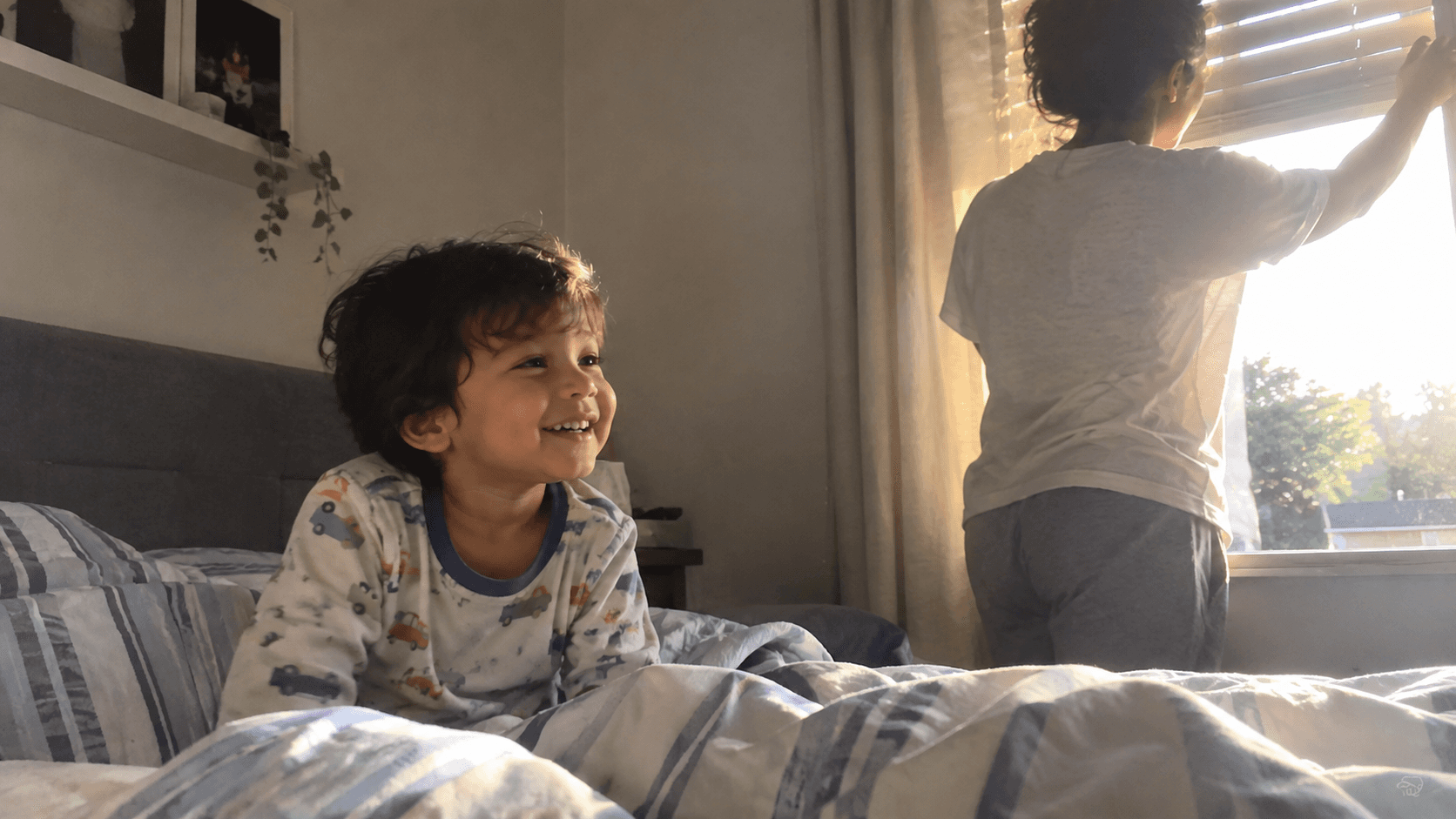
Touch supervision, every time
The AAP recommends staying within arm's reach of young children in or near any water, including bathtubs and small pools. Assign one adult as the dedicated 'water watcher' with no phones or distractions.


Activities & play
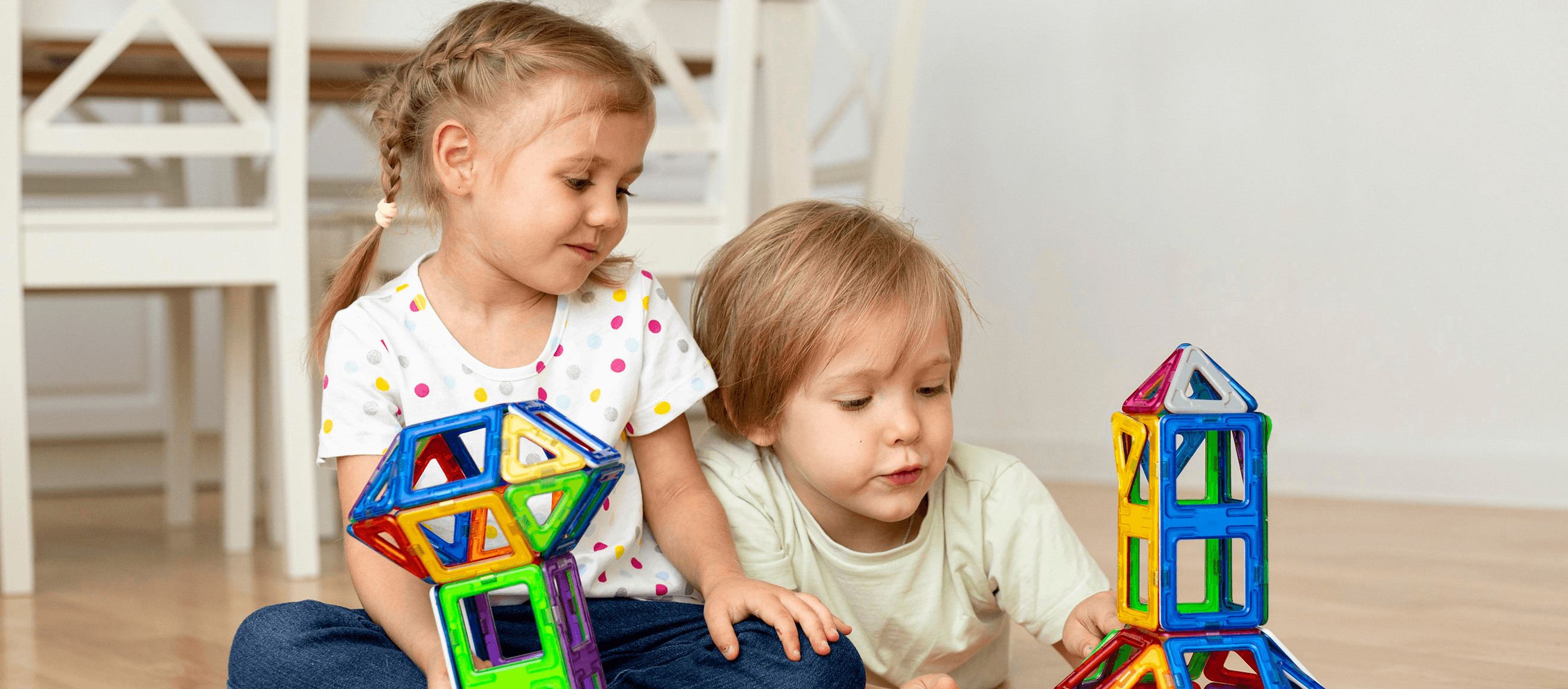
Play is more than just fun—it’s a powerful way children learn about the world. Through playful activities, kids explore, experiment, and develop essential skills that support their growth. Encouraging creative and imaginative play helps children build confidence, solve problems, and understand their emotions.
Play helps children learn, explore, and grow, boosting creativity, social skills, and confidence.
Sparks curiosity and encourages exploration of new ideas
Improves focus and attention through hands-on activities
Fosters creativity and imagination across different learning areas
Strengthens collaboration and social interaction with peers
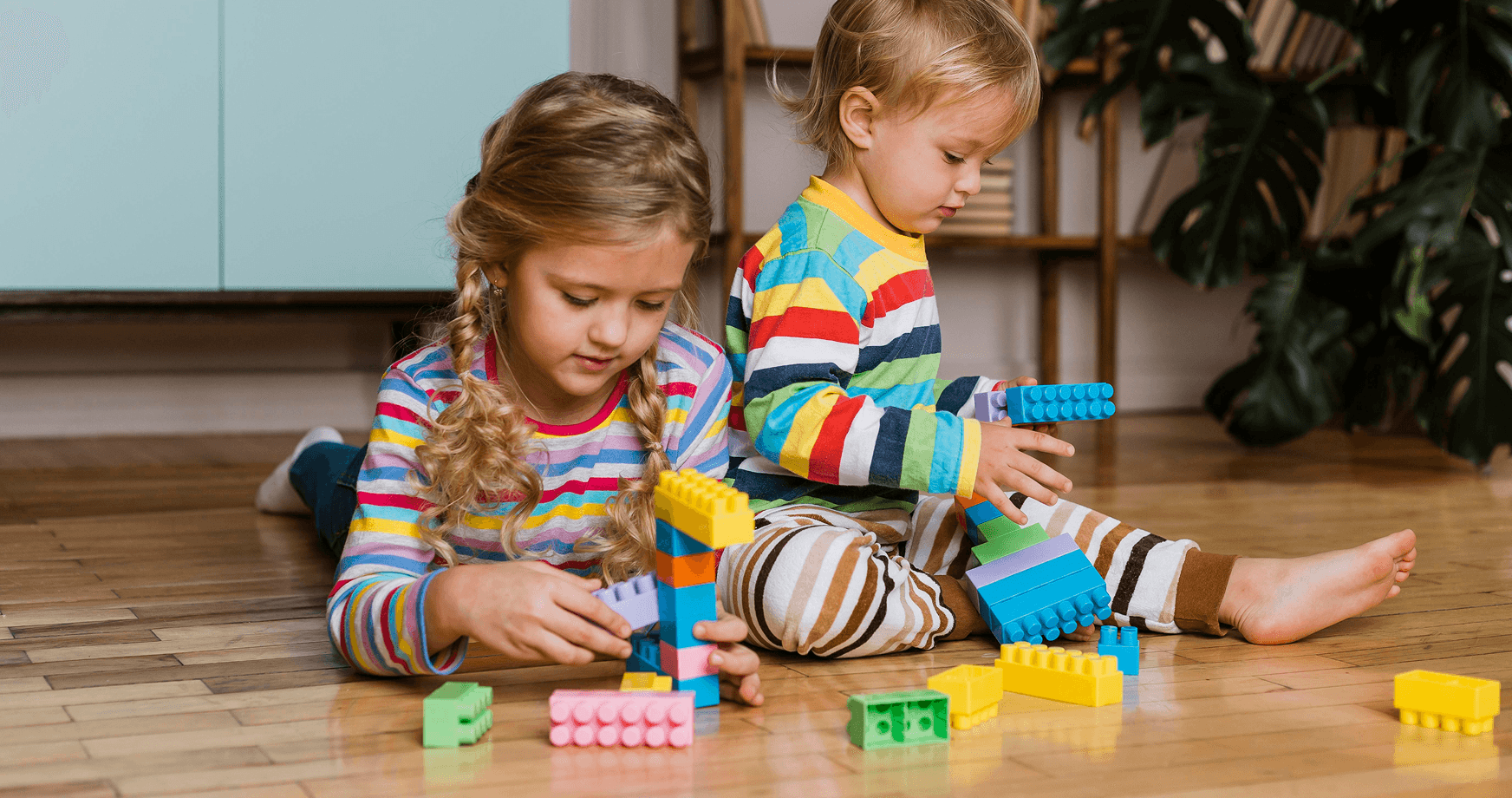
Play is more than just fun—it’s a powerful way children learn about the world. Through playful activities, kids explore, experiment, and develop essential skills that support their growth. Encouraging creative and imaginative play helps children build confidence, solve problems, and understand their emotions.
Play helps children learn, explore, and grow, boosting creativity, social skills, and confidence.
Sparks curiosity and encourages exploration of new ideas
Improves focus and attention through hands-on activities
Fosters creativity and imagination across different learning areas
Strengthens collaboration and social interaction with peers
Play supports children’s growth in multiple ways:
Cognitive Growth – Through games and creative exploration, children develop critical thinking, problem-solving skills, and early literacy and numeracy abilities.
Emotional Development – Play allows children to express feelings, manage stress, and build emotional resilience in a safe environment.
Social Learning – Engaging with peers in play teaches cooperation, sharing, communication, and conflict resolution.
Health Monitoring – Regular check-ups and vaccinations prevent illnesses and identify developmental concerns early.
Play supports children’s growth in multiple ways:
Cognitive Growth – Through games and creative exploration, children develop critical thinking, problem-solving skills, and early literacy and numeracy abilities.
Emotional Development – Play allows children to express feelings, manage stress, and build emotional resilience in a safe environment.
Social Learning – Engaging with peers in play teaches cooperation, sharing, communication, and conflict resolution.
Health Monitoring – Regular check-ups and vaccinations prevent illnesses and identify developmental concerns early.
Play supports children’s growth in multiple ways:
Cognitive Growth – Through games and creative exploration, children develop critical thinking, problem-solving skills, and early literacy and numeracy abilities.
Emotional Development – Play allows children to express feelings, manage stress, and build emotional resilience in a safe environment.
Social Learning – Engaging with peers in play teaches cooperation, sharing, communication, and conflict resolution.
Health Monitoring – Regular check-ups and vaccinations prevent illnesses and identify developmental concerns early.
Each layer covers a different kind of risk, and together they create a much stronger safety net than any one step alone. A locked gate doesn't remove the need for supervision, and swim lessons don't remove the need for a life jacket on a boat.
The AAP recommends staying within arm's reach of young children in or near any water, including bathtubs and small pools. Assign one adult as the dedicated 'water watcher' with no phones or distractions.
Four-sided pool fencing with a self-latching gate can prevent more than half of all swimming pool drownings among young children by removing unsupervised access during non-swim times.
Formal swim lessons can begin after a child's first birthday. Skills alone don't prevent drowning, but they add an important layer alongside supervision and barriers.
Coast Guard-approved life jackets are far more reliable than inflatable arm floaties or toys, especially around boats, lakes, and open water where conditions change quickly.
Keeping a phone poolside and having at least one caregiver trained in CPR can make a critical difference in the rare moments when the other layers aren't enough.
Each layer covers a different kind of risk, and together they create a much stronger safety net than any one step alone. A locked gate doesn't remove the need for supervision, and swim lessons don't remove the need for a life jacket on a boat.
The AAP recommends staying within arm's reach of young children in or near any water, including bathtubs and small pools. Assign one adult as the dedicated 'water watcher' with no phones or distractions.
Four-sided pool fencing with a self-latching gate can prevent more than half of all swimming pool drownings among young children by removing unsupervised access during non-swim times.
Formal swim lessons can begin after a child's first birthday. Skills alone don't prevent drowning, but they add an important layer alongside supervision and barriers.
Coast Guard-approved life jackets are far more reliable than inflatable arm floaties or toys, especially around boats, lakes, and open water where conditions change quickly.
Keeping a phone poolside and having at least one caregiver trained in CPR can make a critical difference in the rare moments when the other layers aren't enough.
Play is more than just fun—it’s a powerful way children learn about the world. Through playful activities, kids explore, experiment, and develop essential skills that support their growth. Encouraging creative and imaginative play helps children build confidence, solve problems, and understand their emotions.
Play helps children learn, explore, and grow, boosting creativity, social skills, and confidence.
Sparks curiosity and encourages exploration of new ideas
Improves focus and attention through hands-on activities
Fosters creativity and imagination across different learning areas
Strengthens collaboration and social interaction with peers
Creating opportunities for play, both at home and in educational settings, actively helps young children practice new skills in a natural, enjoyable way.
Simple activities like building blocks, drawing, role-playing, or outdoor games can stimulate creativity, teamwork, and problem-solving, making learning feel fun and meaningful.
Creating opportunities for play, both at home and in educational settings, actively helps young children practice new skills in a natural, enjoyable way.
Simple activities like building blocks, drawing, role-playing, or outdoor games can stimulate creativity, teamwork, and problem-solving, making learning feel fun and meaningful.
Creating opportunities for play, both at home and in educational settings, actively helps young children practice new skills in a natural, enjoyable way.
Simple activities like building blocks, drawing, role-playing, or outdoor games can stimulate creativity, teamwork, and problem-solving, making learning feel fun and meaningful.
The power of play goes beyond entertainment—it’s a foundation for lifelong learning. By integrating fun and creative exploration into daily activities, parents and caregivers give children the tools to grow, thrive, and enjoy learning at every stage of life.
The power of play goes beyond entertainment—it’s a foundation for lifelong learning. By integrating fun and creative exploration into daily activities, parents and caregivers give children the tools to grow, thrive, and enjoy learning at every stage of life.
The power of play goes beyond entertainment—it’s a foundation for lifelong learning. By integrating fun and creative exploration into daily activities, parents and caregivers give children the tools to grow, thrive, and enjoy learning at every stage of life.
Categories
Recent post