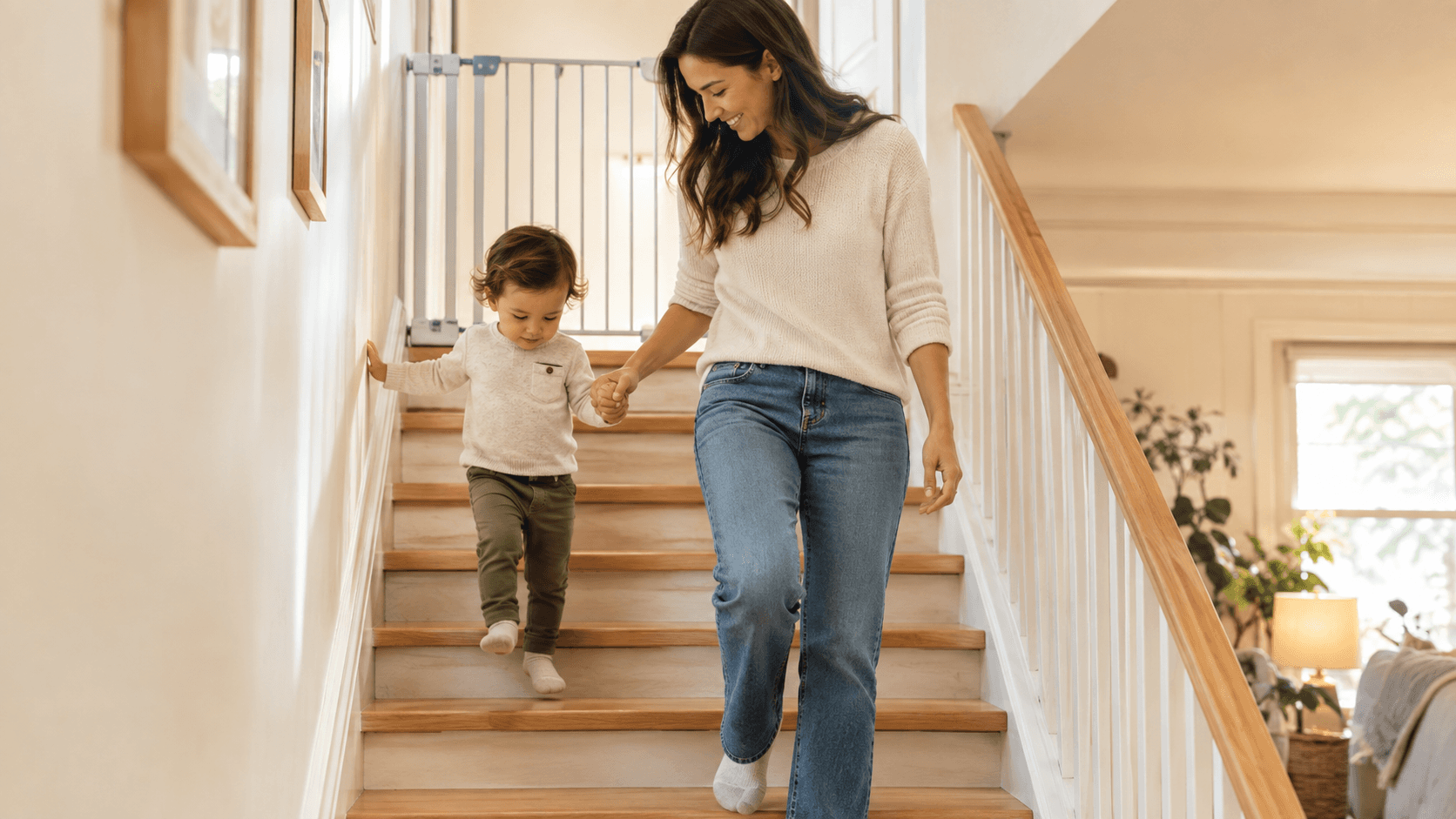
1Stairs
Make every step easier to navigate
Use securely installed gates where appropriate
Keep steps clear of toys, shoes, and loose items
Check rails, carpet, and walking surfaces regularly


Health & Safety
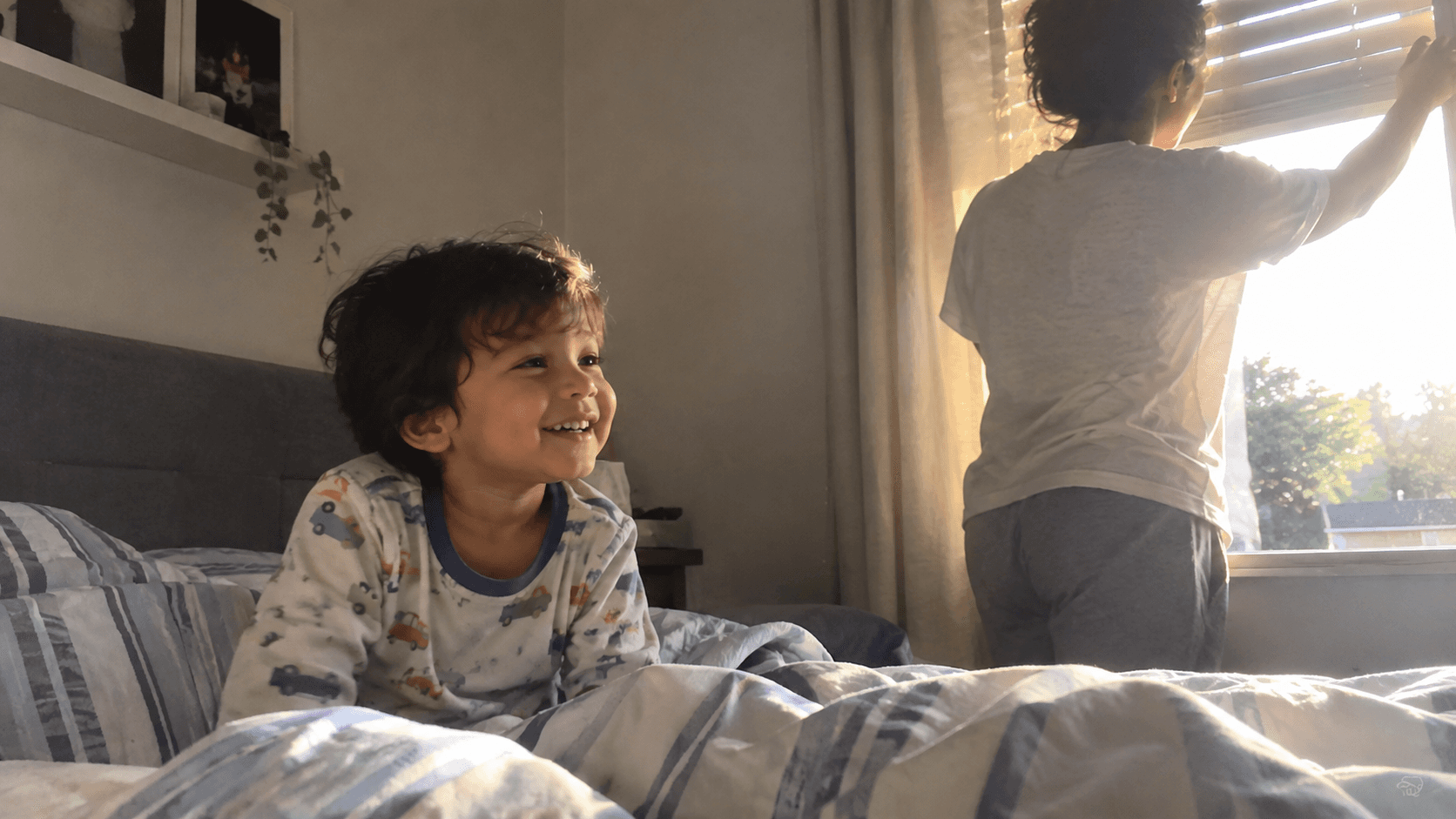
As babies become more mobile, toddlers begin climbing, and preschoolers gain confidence moving independently, the home can change quickly from a familiar space into a place with new fall risks. A child who was once content on a play mat may soon roll from a bed, pull up on furniture, reach for a window, or try to climb the stairs.
Fall prevention is not about making a home feel restrictive. It is about noticing how a child’s abilities are changing and making a few practical adjustments before a new skill turns into a new hazard. Small changes can help families create safer routines while still giving children room to explore, move, and build independence.
Many common fall risks involve everyday places: stairs, beds, sofas, high chairs, changing tables, windows, tall furniture, and cluttered walking paths. The most helpful approach is to think in layers: close supervision, safer equipment use, physical barriers, and a home setup that makes unsafe climbing or falling less likely.
A quick room-by-room scan can help families notice common fall risks before a child’s newest skill turns into an unexpected adventure.
Different ages bring different kinds of movement. Babies may roll or scoot unexpectedly, even before parents expect them to. Toddlers often test climbing, running, and stairs as they build confidence. Preschoolers may be steadier on their feet but can still be drawn to high places, furniture, bunk beds, playground equipment, or windows.
For babies, a key habit is placing them in a safe location if an adult needs to step away. Avoid leaving a baby alone on beds, sofas, changing tables, counters, or other raised surfaces. When using a high chair, stroller, changing table, or other child equipment with a safety harness, use the straps every time.
For toddlers and preschoolers, focus on making stairs, windows, furniture, and play spaces safer. Keep stairways clear, use appropriate gates, anchor tall furniture, and move climbable furniture away from windows. These changes work best alongside active supervision, especially during busy moments such as cooking, laundry, pickup time, or getting ready to leave the house.
Each stage brings new movement skills. Updating the home environment as your child changes can help make everyday exploration safer.
Main focus: Safe surfaces and close supervision
Main focus: Stairs, furniture, and windows
Main focus: Rules, safe spaces, and ongoing checks
Each layer covers a different kind of risk, and together they create a much stronger safety net than any one step alone. A locked gate doesn't remove the need for supervision, and swim lessons don't remove the need for a life jacket on a boat.
The AAP recommends staying within arm's reach of young children in or near any water, including bathtubs and small pools. Assign one adult as the dedicated 'water watcher' with no phones or distractions.
Four-sided pool fencing with a self-latching gate can prevent more than half of all swimming pool drownings among young children by removing unsupervised access during non-swim times.
Formal swim lessons can begin after a child's first birthday. Skills alone don't prevent drowning, but they add an important layer alongside supervision and barriers.
Coast Guard-approved life jackets are far more reliable than inflatable arm floaties or toys, especially around boats, lakes, and open water where conditions change quickly.
Keeping a phone poolside and having at least one caregiver trained in CPR can make a critical difference in the rare moments when the other layers aren't enough.
As babies become more mobile, toddlers begin climbing, and preschoolers gain confidence moving independently, the home can change quickly from a familiar space into a place with new fall risks. A child who was once content on a play mat may soon roll from a bed, pull up on furniture, reach for a window, or try to climb the stairs.
Fall prevention is not about making a home feel restrictive. It is about noticing how a child’s abilities are changing and making a few practical adjustments before a new skill turns into a new hazard. Small changes can help families create safer routines while still giving children room to explore, move, and build independence.
Many common fall risks involve everyday places: stairs, beds, sofas, high chairs, changing tables, windows, tall furniture, and cluttered walking paths. The most helpful approach is to think in layers: close supervision, safer equipment use, physical barriers, and a home setup that makes unsafe climbing or falling less likely.
Fall prevention also becomes easier when it is built into everyday routines. Before leaving a room, take a quick look for climbing opportunities, loose rugs, toys on stairs, or furniture that has moved near a window. During meals, make sure your child is properly secured in a high chair and that the chair is not close enough to a counter or table for them to push away from.
At home, consistency matters. A child may learn that stairs are walked slowly with an adult nearby, that furniture is not for climbing, and that toys belong off the steps. Parents can explain these expectations in simple, calm language while also adapting the environment to make safe choices easier.
No home can remove every possibility of a fall, and children will sometimes tumble as they learn to move. The goal is to reduce preventable risks, prepare for changing developmental stages, and know when to seek medical guidance after a fall if there is a concern.
It is helpful to plan ahead as soon as your child shows signs of becoming more mobile, such as rolling, crawling, pulling up, or walking. Gates should be selected and installed according to the manufacturer’s instructions and the location where they will be used.
A safer home does not have to be perfect or complicated. It starts with paying attention to the spaces your child uses every day and adjusting them as your child grows. Safety gates, clear stairs, secure furniture, protected windows, and close supervision can all work together to lower the chance of serious falls.
At Little Einsteins Academy of Tampa, we understand that safety and learning go together. Children need opportunities to move, explore, and build confidence in environments designed with their changing abilities in mind.
If you are looking for a Tampa daycare that values thoughtful routines, age-appropriate environments, and caring support for young children, our team would be happy to answer your questions and welcome your family for a visit.
At Little Einsteins Academy of Tampa, we know that young children learn through movement, curiosity, and everyday discovery. Our nurturing approach helps families feel supported while children grow in spaces designed for their changing needs.
Talk with our team, ask about our programs, and schedule a visit to see how Little Einsteins Academy of Tampa supports children through caring routines, thoughtful environments, and age-appropriate early learning.
Disclaimer: This article is for general educational purposes only and is not a substitute for medical advice. If a child falls and you are concerned about an injury, behavior changes, loss of consciousness, or worsening symptoms, contact a qualified healthcare professional promptly.
Categorías
Publicación reciente