Touch supervision, every time
The AAP recommends staying within arm's reach of young children in or near any water, including bathtubs and small pools. Assign one adult as the dedicated 'water watcher' with no phones or distractions.


Consejos para padres
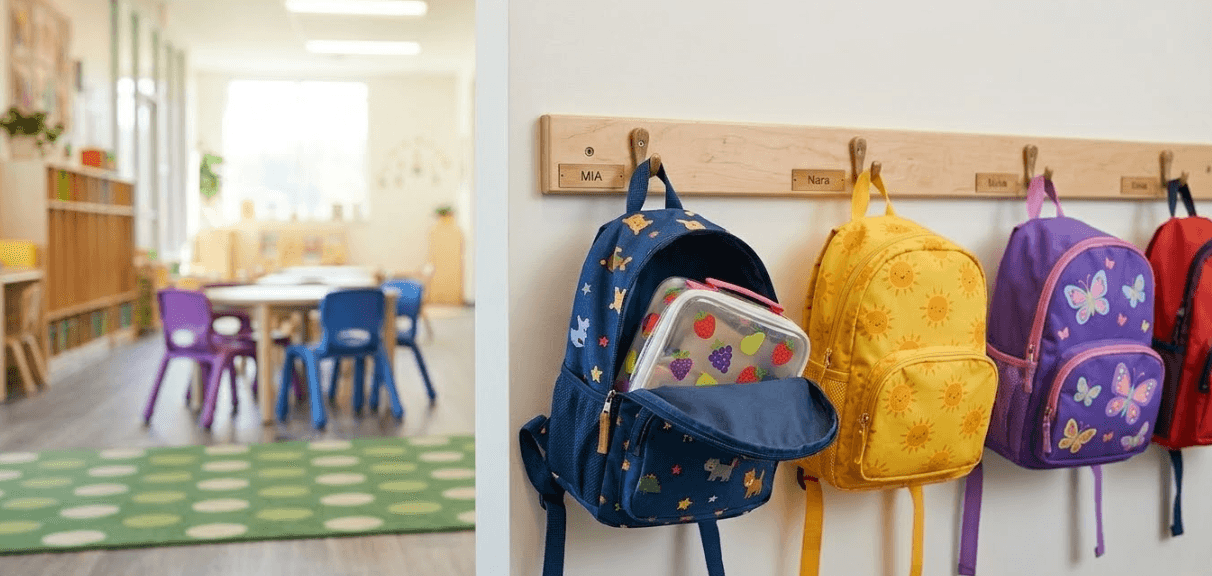
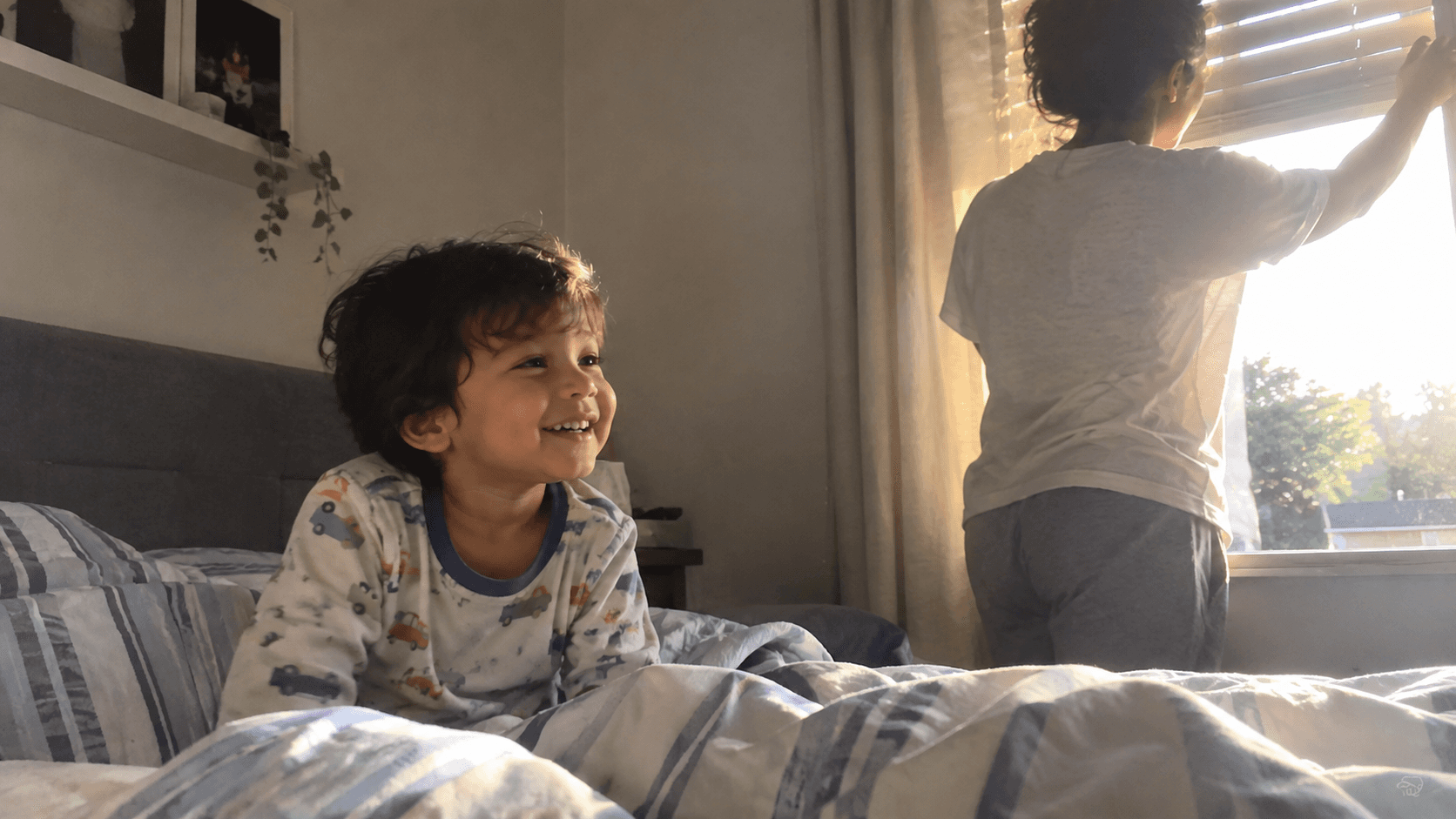
Si las mañanas en tu casa se sienten como una carrera contra el reloj — zapatos perdidos, desayuno medio comido, y tu pequeño negándose a entrar al coche — no estás solo. Para la mayoría de las familias con niños pequeños, salir por la puerta para dejar a los niños en la guardería es la parte más difícil del día. Pero no tiene que ser así. Con unos pocos hábitos simples y un poco de preparación la noche anterior, las mañanas pueden pasar de caóticas a calmadas.
Esta guía está llena de consejos prácticos que puedes empezar a usar mañana — organizados por lo que hacer la noche anterior, lo que hacer la mañana de, y consejos específicos basados en la edad de tu hijo.
El secreto para una mañana fluida no es lo que sucede a las 7 AM — es lo que haces la noche anterior. Pasar 15 minutos preparándote después de la hora de dormir puede ahorrarte 30 minutos de estrés por la mañana:
Si las mañanas en tu casa se sienten como una carrera contra el reloj — zapatos perdidos, desayuno medio comido, y tu pequeño negándose a entrar al coche — no estás solo. Para la mayoría de las familias con niños pequeños, salir por la puerta para dejar a los niños en la guardería es la parte más difícil del día. Pero no tiene que ser así. Con unos pocos hábitos simples y un poco de preparación la noche anterior, las mañanas pueden pasar de caóticas a calmadas.
Esta guía está llena de consejos prácticos que puedes empezar a usar mañana — organizados por lo que hacer la noche anterior, lo que hacer la mañana de, y consejos específicos basados en la edad de tu hijo.
El secreto para una mañana fluida no es lo que sucede a las 7 AM — es lo que haces la noche anterior. Pasar 15 minutos preparándote después de la hora de dormir puede ahorrarte 30 minutos de estrés por la mañana:
Incluso con una buena preparación, las mañanas con niños pequeños requieren paciencia y flexibilidad. Aquí hay estrategias que consistentemente ayudan a las familias:
Despertar antes que tu hijo — Incluso 15 minutos de tiempo en silencio para vestirse, tomar café y centrarte hace una gran diferencia en cómo manejas la mañana
Seguir la misma rutina todos los días — Despertar, baño, vestirse, desayunar, cepillarse los dientes, ponerse los zapatos, salir por la puerta. El mismo orden, todos los días. Los niños prosperan con la predictibilidad
Usar señales visuales — Un simple gráfico de imágenes en el refrigerador que muestre los pasos de la mañana (vestirse → comer → cepillarse los dientes → zapatos → coche) ayuda a los niños a saber qué viene a continuación sin que se les diga
Incorporar tiempo adicional — Planea salir 10 minutos antes de lo que realmente necesitas. Esto elimina la presión y te da margen para el inevitable retraso
Mantener un ambiente ligero — Reproduce música, canta una canción tonta, o convierte prepararte en un juego. Un padre estresado crea un niño estresado. Tu energía establece el tono
Limitar el tiempo de pantalla en la mañana — Es tentador encender un programa mientras te preparas, pero las pantallas hacen que las transiciones sean más difíciles. Los niños luchan por cambiar de la observación pasiva a la cooperación activa
Incluso con una buena preparación, las mañanas con niños pequeños requieren paciencia y flexibilidad. Aquí hay estrategias que consistentemente ayudan a las familias:
Despertar antes que tu hijo — Incluso 15 minutos de tiempo en silencio para vestirse, tomar café y centrarte hace una gran diferencia en cómo manejas la mañana
Seguir la misma rutina todos los días — Despertar, baño, vestirse, desayunar, cepillarse los dientes, ponerse los zapatos, salir por la puerta. El mismo orden, todos los días. Los niños prosperan con la predictibilidad
Usar señales visuales — Un simple gráfico de imágenes en el refrigerador que muestre los pasos de la mañana (vestirse → comer → cepillarse los dientes → zapatos → coche) ayuda a los niños a saber qué viene a continuación sin que se les diga
Incorporar tiempo adicional — Planea salir 10 minutos antes de lo que realmente necesitas. Esto elimina la presión y te da margen para el inevitable retraso
Mantener un ambiente ligero — Reproduce música, canta una canción tonta, o convierte prepararte en un juego. Un padre estresado crea un niño estresado. Tu energía establece el tono
Limitar el tiempo de pantalla en la mañana — Es tentador encender un programa mientras te preparas, pero las pantallas hacen que las transiciones sean más difíciles. Los niños luchan por cambiar de la observación pasiva a la cooperación activa
Incluso con una buena preparación, las mañanas con niños pequeños requieren paciencia y flexibilidad. Aquí hay estrategias que consistentemente ayudan a las familias:
Despertar antes que tu hijo — Incluso 15 minutos de tiempo en silencio para vestirse, tomar café y centrarte hace una gran diferencia en cómo manejas la mañana
Seguir la misma rutina todos los días — Despertar, baño, vestirse, desayunar, cepillarse los dientes, ponerse los zapatos, salir por la puerta. El mismo orden, todos los días. Los niños prosperan con la predictibilidad
Usar señales visuales — Un simple gráfico de imágenes en el refrigerador que muestre los pasos de la mañana (vestirse → comer → cepillarse los dientes → zapatos → coche) ayuda a los niños a saber qué viene a continuación sin que se les diga
Incorporar tiempo adicional — Planea salir 10 minutos antes de lo que realmente necesitas. Esto elimina la presión y te da margen para el inevitable retraso
Mantener un ambiente ligero — Reproduce música, canta una canción tonta, o convierte prepararte en un juego. Un padre estresado crea un niño estresado. Tu energía establece el tono
Limitar el tiempo de pantalla en la mañana — Es tentador encender un programa mientras te preparas, pero las pantallas hacen que las transiciones sean más difíciles. Los niños luchan por cambiar de la observación pasiva a la cooperación activa
Each layer covers a different kind of risk, and together they create a much stronger safety net than any one step alone. A locked gate doesn't remove the need for supervision, and swim lessons don't remove the need for a life jacket on a boat.
The AAP recommends staying within arm's reach of young children in or near any water, including bathtubs and small pools. Assign one adult as the dedicated 'water watcher' with no phones or distractions.
Four-sided pool fencing with a self-latching gate can prevent more than half of all swimming pool drownings among young children by removing unsupervised access during non-swim times.
Formal swim lessons can begin after a child's first birthday. Skills alone don't prevent drowning, but they add an important layer alongside supervision and barriers.
Coast Guard-approved life jackets are far more reliable than inflatable arm floaties or toys, especially around boats, lakes, and open water where conditions change quickly.
Keeping a phone poolside and having at least one caregiver trained in CPR can make a critical difference in the rare moments when the other layers aren't enough.
Each layer covers a different kind of risk, and together they create a much stronger safety net than any one step alone. A locked gate doesn't remove the need for supervision, and swim lessons don't remove the need for a life jacket on a boat.
The AAP recommends staying within arm's reach of young children in or near any water, including bathtubs and small pools. Assign one adult as the dedicated 'water watcher' with no phones or distractions.
Four-sided pool fencing with a self-latching gate can prevent more than half of all swimming pool drownings among young children by removing unsupervised access during non-swim times.
Formal swim lessons can begin after a child's first birthday. Skills alone don't prevent drowning, but they add an important layer alongside supervision and barriers.
Coast Guard-approved life jackets are far more reliable than inflatable arm floaties or toys, especially around boats, lakes, and open water where conditions change quickly.
Keeping a phone poolside and having at least one caregiver trained in CPR can make a critical difference in the rare moments when the other layers aren't enough.
👶 Infants (0–12 months)
Dropping off a baby can feel emotionally heavy — especially in the early weeks. Remember that your baby is in good hands, and these tips will help make the handoff smoother for both of you:
Si las mañanas en tu casa se sienten como una carrera contra el reloj — zapatos perdidos, desayuno medio comido, y tu pequeño negándose a entrar al coche — no estás solo. Para la mayoría de las familias con niños pequeños, salir por la puerta para dejar a los niños en la guardería es la parte más difícil del día. Pero no tiene que ser así. Con unos pocos hábitos simples y un poco de preparación la noche anterior, las mañanas pueden pasar de caóticas a calmadas.
Esta guía está llena de consejos prácticos que puedes empezar a usar mañana — organizados por lo que hacer la noche anterior, lo que hacer la mañana de, y consejos específicos basados en la edad de tu hijo.
El secreto para una mañana fluida no es lo que sucede a las 7 AM — es lo que haces la noche anterior. Pasar 15 minutos preparándote después de la hora de dormir puede ahorrarte 30 minutos de estrés por la mañana:
En Little Einsteins Academy de Tampa, sabemos que el drop-off es un gran momento tanto para los padres como para los niños. Es por eso que hemos diseñado nuestra rutina matutina para hacer la transición lo más suave posible:
En Little Einsteins Academy de Tampa, sabemos que el drop-off es un gran momento tanto para los padres como para los niños. Es por eso que hemos diseñado nuestra rutina matutina para hacer la transición lo más suave posible:
En Little Einsteins Academy de Tampa, sabemos que el drop-off es un gran momento tanto para los padres como para los niños. Es por eso que hemos diseñado nuestra rutina matutina para hacer la transición lo más suave posible:
En la Academia Little Einsteins de Tampa, sabemos que el dejar a los niños es un gran momento tanto para los padres como para los niños. Por eso hemos diseñado nuestra rutina matutina para que la transición sea lo más fluida posible:
En la Academia Little Einsteins de Tampa, sabemos que el dejar a los niños es un gran momento tanto para los padres como para los niños. Por eso hemos diseñado nuestra rutina matutina para que la transición sea lo más fluida posible:
En la Academia Little Einsteins de Tampa, sabemos que el dejar a los niños es un gran momento tanto para los padres como para los niños. Por eso hemos diseñado nuestra rutina matutina para que la transición sea lo más fluida posible:
Yes, especially for children between 8 months and 3 years old. Crying at drop-off doesn't mean your child is unhappy at daycare — it means they love you and the transition is hard. In most cases, children calm down within a few minutes. If the crying persists throughout the day, talk to your child's teacher about strategies.
Generally, no. Lingering tends to extend the distress for both of you. A short, loving, confident goodbye is usually the most effective approach. Trust the teachers to help your child through the transition.
Every child is different, but most children settle into a comfortable routine within 2–4 weeks. Some adjust in days, others take a bit longer. Consistency is the key — the more predictable the routine, the faster the adjustment.
This is common after weekends, vacations, illnesses, or changes at home. It doesn't mean something is wrong — it just means your child needs a little extra reassurance. Stick with your routine and it will pass.
Absolutely. At Little Einsteins Academy, we encourage parents to call or message anytime. We're also happy to send photos during the day so you can see your child engaged and happy.
At Little Einsteins Academy of Tampa, smooth mornings start with a team that truly cares. Schedule a tour to meet our teachers, see our welcoming campus, and learn how we help families — and children — feel confident from the very first drop-off.
Disclaimer: The tips in this article are general suggestions based on common experiences among families with young children. Every child is different. If your child experiences persistent distress at drop-off or significant changes in behavior, we encourage you to speak with your child's pediatrician or a child development specialist.
Categorías
Publicación reciente