Touch supervision, every time
The AAP recommends staying within arm's reach of young children in or near any water, including bathtubs and small pools. Assign one adult as the dedicated 'water watcher' with no phones or distractions.


Health & safety
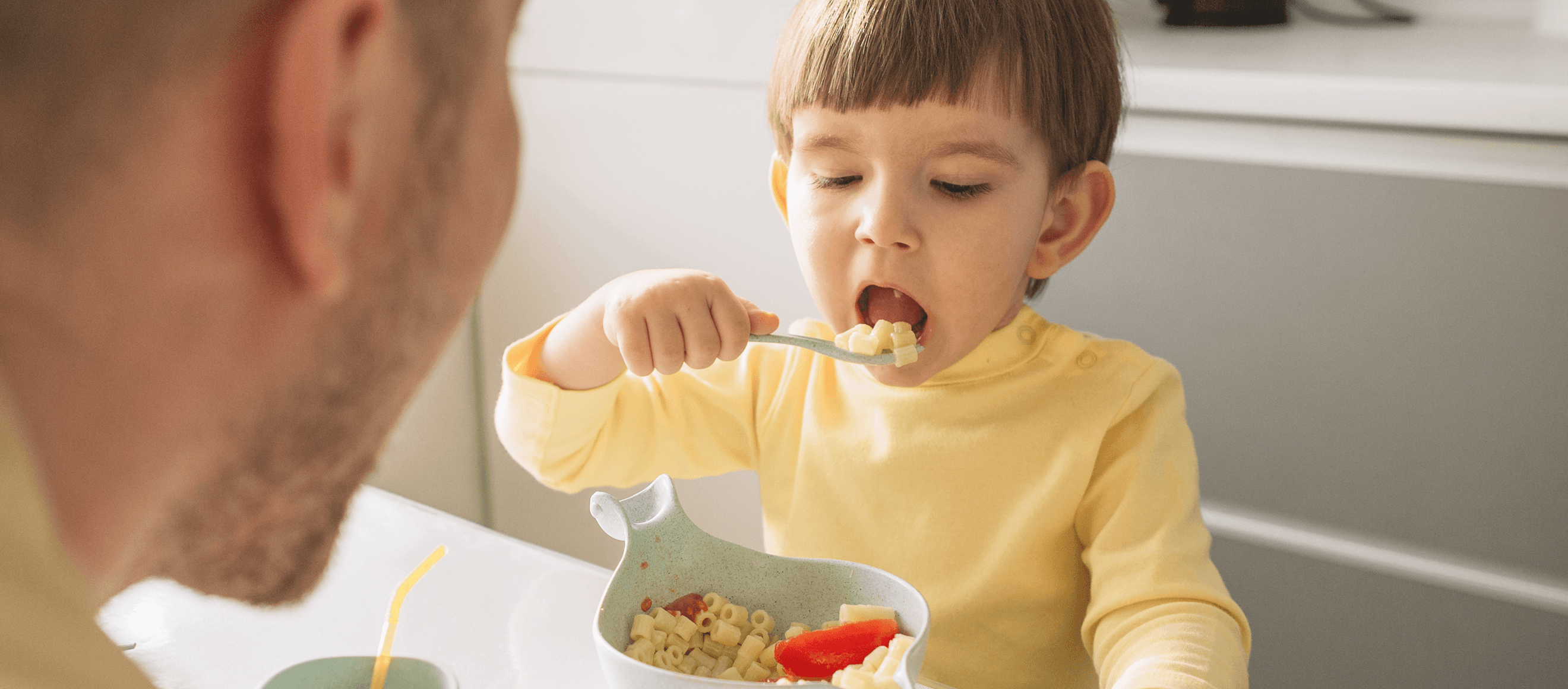
Parents want their children to grow healthy and happy. Balanced, nutritious eating supports development, boosts brain power, strengthens immunity, fuels active play, aids concentration, and makes a lasting difference in their overall growth and well-being.
Why Healthy Eating Matters for Children
Children’s bodies and minds are developing rapidly. Proper nutrition:
Fuels active play and learning.
Builds strong bones and muscles.
Supports focus and memory at school.
Helps prevent picky eating habits in the future.

Parents want their children to grow healthy and happy. Balanced, nutritious eating supports development, boosts brain power, strengthens immunity, fuels active play, aids concentration, and makes a lasting difference in their overall growth and well-being.
Why Healthy Eating Matters for Children
Children’s bodies and minds are developing rapidly. Proper nutrition:
Fuels active play and learning.
Builds strong bones and muscles.
Supports focus and memory at school.
Helps prevent picky eating habits in the future.
Children’s bodies and minds are developing rapidly. Proper nutrition:
Start with a colorful plate – Add a variety of fruits and vegetables to every meal. Kids are more likely to try foods when they look fun and bright.
Include protein and whole grains – Eggs, lean meats, beans, and whole-grain bread provide lasting energy for busy days.
Offer healthy snacks – Swap chips for carrot sticks, fruit slices, or yogurt topped with berries.
Encourage water over sugary drinks – Hydration plays a key role in focus and growth.
Children’s bodies and minds are developing rapidly. Proper nutrition:
Start with a colorful plate – Add a variety of fruits and vegetables to every meal. Kids are more likely to try foods when they look fun and bright.
Include protein and whole grains – Eggs, lean meats, beans, and whole-grain bread provide lasting energy for busy days.
Offer healthy snacks – Swap chips for carrot sticks, fruit slices, or yogurt topped with berries.
Encourage water over sugary drinks – Hydration plays a key role in focus and growth.
Children’s bodies and minds are developing rapidly. Proper nutrition:
Start with a colorful plate – Add a variety of fruits and vegetables to every meal. Kids are more likely to try foods when they look fun and bright.
Include protein and whole grains – Eggs, lean meats, beans, and whole-grain bread provide lasting energy for busy days.
Offer healthy snacks – Swap chips for carrot sticks, fruit slices, or yogurt topped with berries.
Encourage water over sugary drinks – Hydration plays a key role in focus and growth.
Each layer covers a different kind of risk, and together they create a much stronger safety net than any one step alone. A locked gate doesn't remove the need for supervision, and swim lessons don't remove the need for a life jacket on a boat.
The AAP recommends staying within arm's reach of young children in or near any water, including bathtubs and small pools. Assign one adult as the dedicated 'water watcher' with no phones or distractions.
Four-sided pool fencing with a self-latching gate can prevent more than half of all swimming pool drownings among young children by removing unsupervised access during non-swim times.
Formal swim lessons can begin after a child's first birthday. Skills alone don't prevent drowning, but they add an important layer alongside supervision and barriers.
Coast Guard-approved life jackets are far more reliable than inflatable arm floaties or toys, especially around boats, lakes, and open water where conditions change quickly.
Keeping a phone poolside and having at least one caregiver trained in CPR can make a critical difference in the rare moments when the other layers aren't enough.
Each layer covers a different kind of risk, and together they create a much stronger safety net than any one step alone. A locked gate doesn't remove the need for supervision, and swim lessons don't remove the need for a life jacket on a boat.
The AAP recommends staying within arm's reach of young children in or near any water, including bathtubs and small pools. Assign one adult as the dedicated 'water watcher' with no phones or distractions.
Four-sided pool fencing with a self-latching gate can prevent more than half of all swimming pool drownings among young children by removing unsupervised access during non-swim times.
Formal swim lessons can begin after a child's first birthday. Skills alone don't prevent drowning, but they add an important layer alongside supervision and barriers.
Coast Guard-approved life jackets are far more reliable than inflatable arm floaties or toys, especially around boats, lakes, and open water where conditions change quickly.
Keeping a phone poolside and having at least one caregiver trained in CPR can make a critical difference in the rare moments when the other layers aren't enough.
Parents want their children to grow healthy and happy. Balanced, nutritious eating supports development, boosts brain power, strengthens immunity, fuels active play, aids concentration, and makes a lasting difference in their overall growth and well-being.
Why Healthy Eating Matters for Children
Children’s bodies and minds are developing rapidly. Proper nutrition:
Fuels active play and learning.
Builds strong bones and muscles.
Supports focus and memory at school.
Helps prevent picky eating habits in the future.
Healthy eating routines in childhood create a foundation for wellness. When children enjoy balanced meals, they see food as fuel for play, growth, and overall development.
These habits often continue into adulthood. Consistency and encouragement shape attitudes, helping children build positive relationships with food.
Healthy eating routines in childhood create a foundation for wellness. When children enjoy balanced meals, they see food as fuel for play, growth, and overall development.
These habits often continue into adulthood. Consistency and encouragement shape attitudes, helping children build positive relationships with food.
Healthy eating routines in childhood create a foundation for wellness. When children enjoy balanced meals, they see food as fuel for play, growth, and overall development.
These habits often continue into adulthood. Consistency and encouragement shape attitudes, helping children build positive relationships with food.
Healthy eating is simple. Consistent choices help your child develop good habits. With patience and guidance, they can enjoy foods that promote strength and happiness.
Healthy eating is simple. Consistent choices help your child develop good habits. With patience and guidance, they can enjoy foods that promote strength and happiness.
Healthy eating is simple. Consistent choices help your child develop good habits. With patience and guidance, they can enjoy foods that promote strength and happiness.
Categories
Recent post