Touch supervision, every time
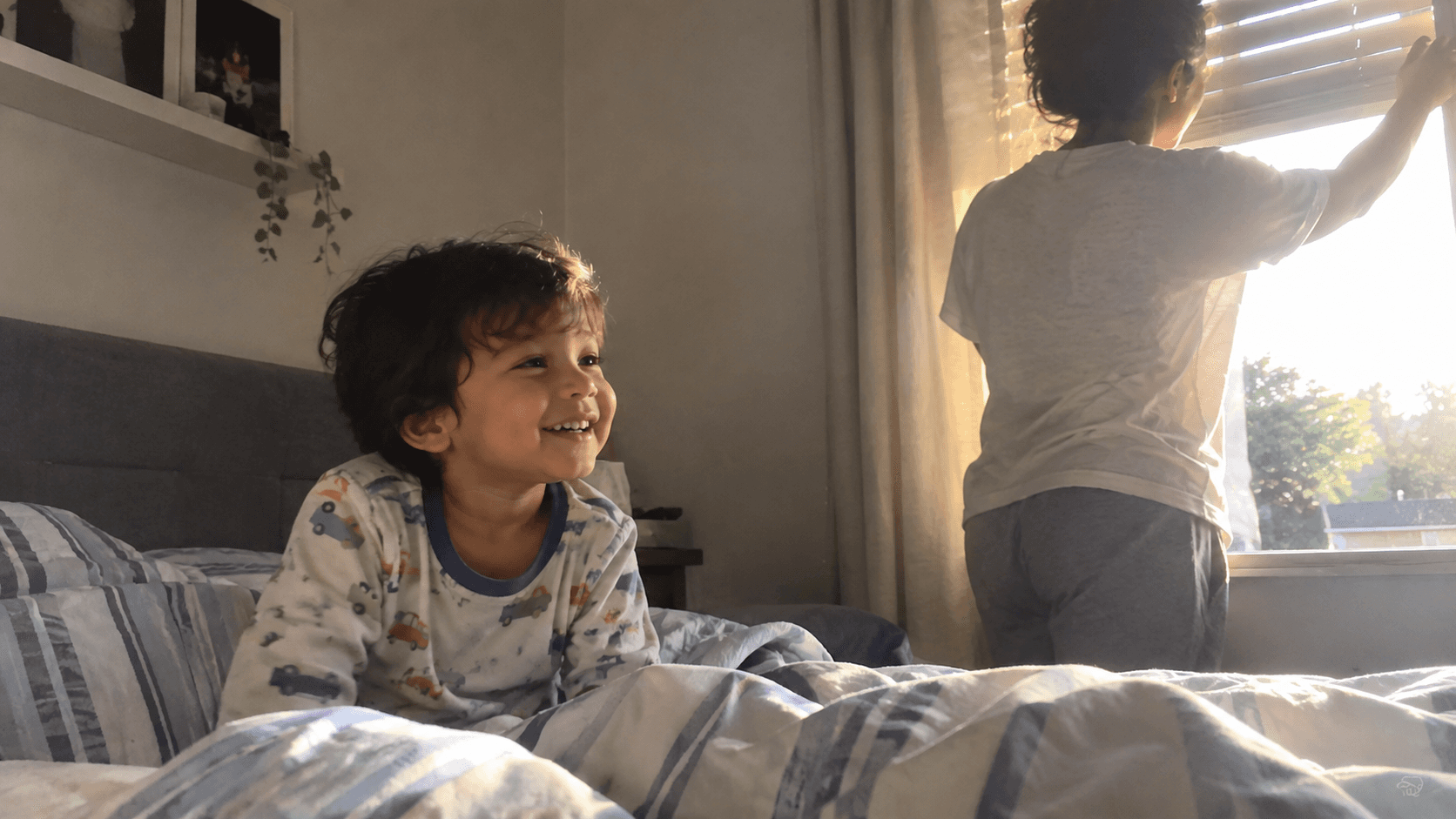
The AAP recommends staying within arm's reach of young children in or near any water, including bathtubs and small pools. Assign one adult as the dedicated 'water watcher' with no phones or distractions.


Nutrition & healthy eating

A balanced plate fuels energy, mood, and growth. Think in colors and portions: protein, vegetables, whole grains, and healthy fats.
1 part protein: Eggs, fish, chicken, beans
2 parts veggies/fruits: Colorful mix
3 parts grains/carbs: Rice, oats, pasta (whole grain preferred)
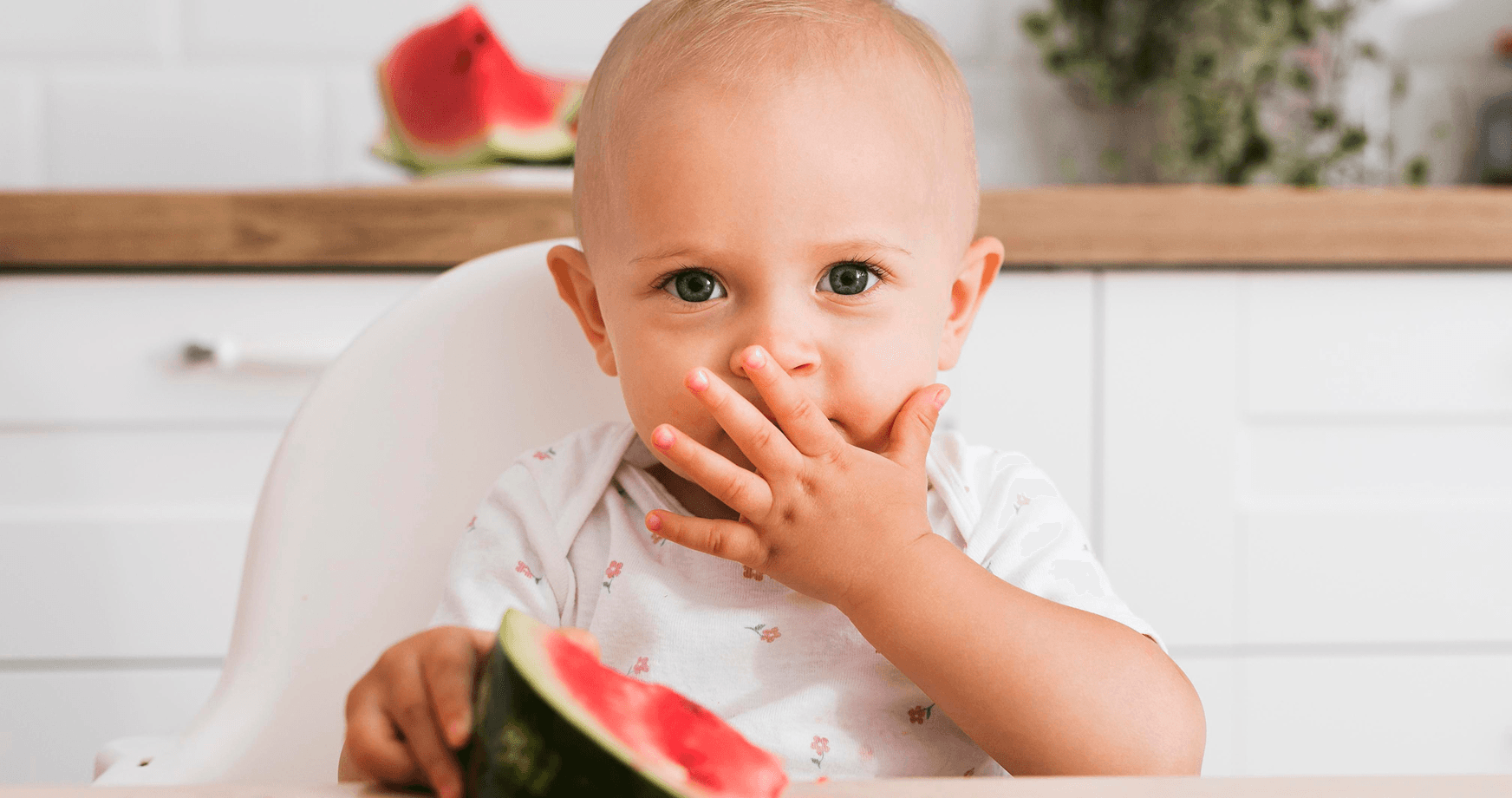
A balanced plate fuels energy, mood, and growth. Think in colors and portions: protein, vegetables, whole grains, and healthy fats.
1 part protein: Eggs, fish, chicken, beans
2 parts veggies/fruits: Colorful mix
3 parts grains/carbs: Rice, oats, pasta (whole grain preferred)
Healthy eating habits start at home with variety, creativity, and positive role modeling.
Offer Variety – Include a mix of fruits, vegetables, whole grains, and proteins to give children a range of nutrients.
Make Meals Fun – Colorful plates, fun shapes, and interactive meals can make healthy food more appealing.
Lead by Example – Children are more likely to adopt healthy habits when they see parents and caregivers making good food choices.
Health Monitoring – Regular check-ups and vaccinations prevent illnesses and identify developmental concerns early.
Involve Your Child – Let children help plan and prepare meals to increase interest and excitement about healthy foods.
Healthy eating habits start at home with variety, creativity, and positive role modeling.
Offer Variety – Include a mix of fruits, vegetables, whole grains, and proteins to give children a range of nutrients.
Make Meals Fun – Colorful plates, fun shapes, and interactive meals can make healthy food more appealing.
Lead by Example – Children are more likely to adopt healthy habits when they see parents and caregivers making good food choices.
Health Monitoring – Regular check-ups and vaccinations prevent illnesses and identify developmental concerns early.
Involve Your Child – Let children help plan and prepare meals to increase interest and excitement about healthy foods.
Healthy eating habits start at home with variety, creativity, and positive role modeling.
Offer Variety – Include a mix of fruits, vegetables, whole grains, and proteins to give children a range of nutrients.
Make Meals Fun – Colorful plates, fun shapes, and interactive meals can make healthy food more appealing.
Lead by Example – Children are more likely to adopt healthy habits when they see parents and caregivers making good food choices.
Health Monitoring – Regular check-ups and vaccinations prevent illnesses and identify developmental concerns early.
Involve Your Child – Let children help plan and prepare meals to increase interest and excitement about healthy foods.
Each layer covers a different kind of risk, and together they create a much stronger safety net than any one step alone. A locked gate doesn't remove the need for supervision, and swim lessons don't remove the need for a life jacket on a boat.
The AAP recommends staying within arm's reach of young children in or near any water, including bathtubs and small pools. Assign one adult as the dedicated 'water watcher' with no phones or distractions.
Four-sided pool fencing with a self-latching gate can prevent more than half of all swimming pool drownings among young children by removing unsupervised access during non-swim times.
Formal swim lessons can begin after a child's first birthday. Skills alone don't prevent drowning, but they add an important layer alongside supervision and barriers.
Coast Guard-approved life jackets are far more reliable than inflatable arm floaties or toys, especially around boats, lakes, and open water where conditions change quickly.
Keeping a phone poolside and having at least one caregiver trained in CPR can make a critical difference in the rare moments when the other layers aren't enough.
Each layer covers a different kind of risk, and together they create a much stronger safety net than any one step alone. A locked gate doesn't remove the need for supervision, and swim lessons don't remove the need for a life jacket on a boat.
The AAP recommends staying within arm's reach of young children in or near any water, including bathtubs and small pools. Assign one adult as the dedicated 'water watcher' with no phones or distractions.
Four-sided pool fencing with a self-latching gate can prevent more than half of all swimming pool drownings among young children by removing unsupervised access during non-swim times.
Formal swim lessons can begin after a child's first birthday. Skills alone don't prevent drowning, but they add an important layer alongside supervision and barriers.
Coast Guard-approved life jackets are far more reliable than inflatable arm floaties or toys, especially around boats, lakes, and open water where conditions change quickly.
Keeping a phone poolside and having at least one caregiver trained in CPR can make a critical difference in the rare moments when the other layers aren't enough.
A balanced plate fuels energy, mood, and growth. Think in colors and portions: protein, vegetables, whole grains, and healthy fats.
1 part protein: Eggs, fish, chicken, beans
2 parts veggies/fruits: Colorful mix
3 parts grains/carbs: Rice, oats, pasta (whole grain preferred)
Consistently offering balanced meals and healthy snacks helps children develop a positive relationship with food.
Making mealtimes enjoyable, involving children in choices, and reinforcing healthy habits ensures that nutritious eating becomes a natural part of their daily routine.
Consistently offering balanced meals and healthy snacks helps children develop a positive relationship with food.
Making mealtimes enjoyable, involving children in choices, and reinforcing healthy habits ensures that nutritious eating becomes a natural part of their daily routine.
Consistently offering balanced meals and healthy snacks helps children develop a positive relationship with food.
Making mealtimes enjoyable, involving children in choices, and reinforcing healthy habits ensures that nutritious eating becomes a natural part of their daily routine.
The power of play goes beyond entertainment—it’s a foundation for lifelong learning. By integrating fun and creative exploration into daily activities, parents and caregivers give children the tools to grow, thrive, and enjoy learning at every stage of life.
The power of play goes beyond entertainment—it’s a foundation for lifelong learning. By integrating fun and creative exploration into daily activities, parents and caregivers give children the tools to grow, thrive, and enjoy learning at every stage of life.
The power of play goes beyond entertainment—it’s a foundation for lifelong learning. By integrating fun and creative exploration into daily activities, parents and caregivers give children the tools to grow, thrive, and enjoy learning at every stage of life.
Categories
Recent post