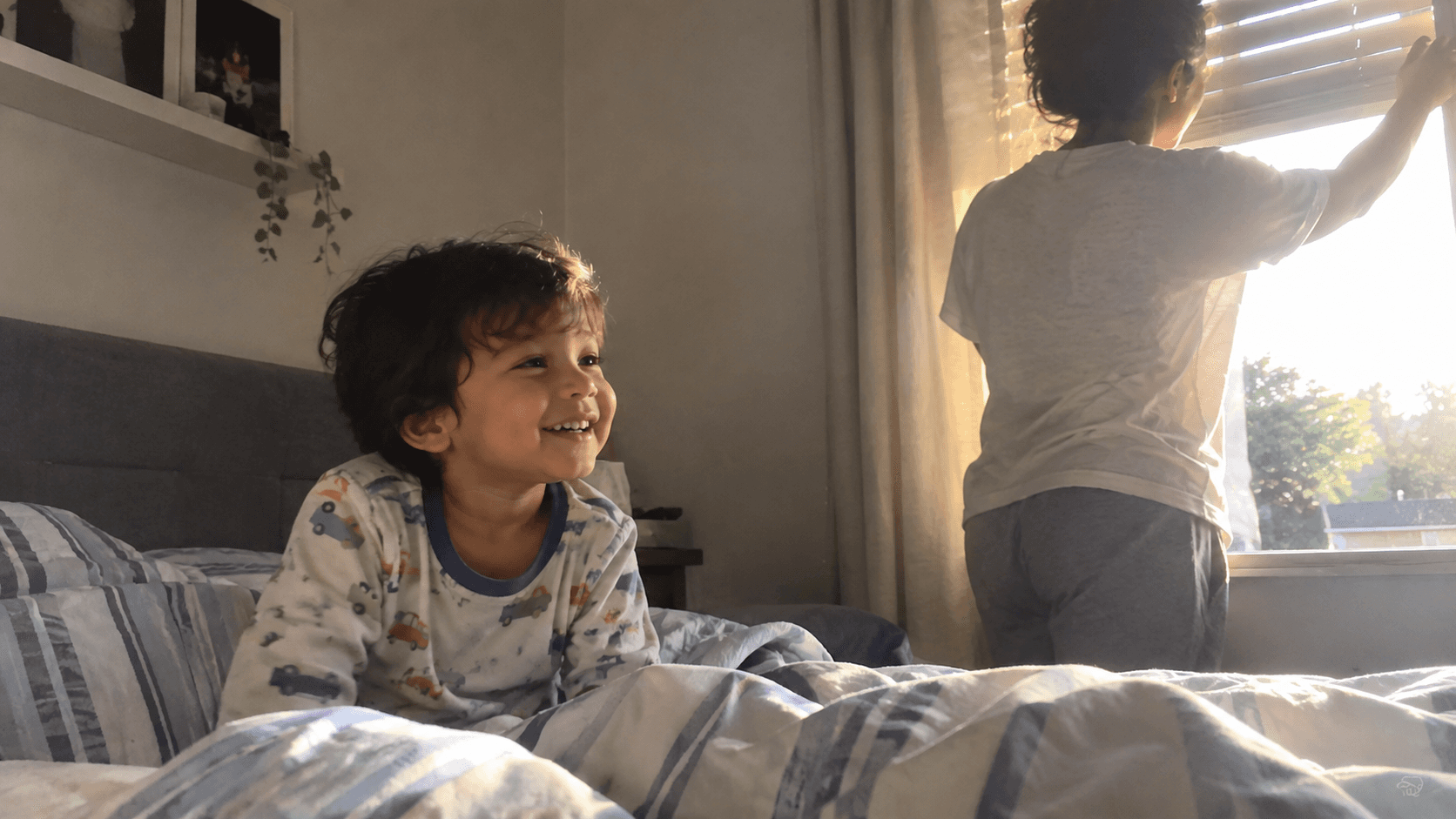
Touch supervision, every time
The AAP recommends staying within arm's reach of young children in or near any water, including bathtubs and small pools. Assign one adult as the dedicated 'water watcher' with no phones or distractions.


Early Learning
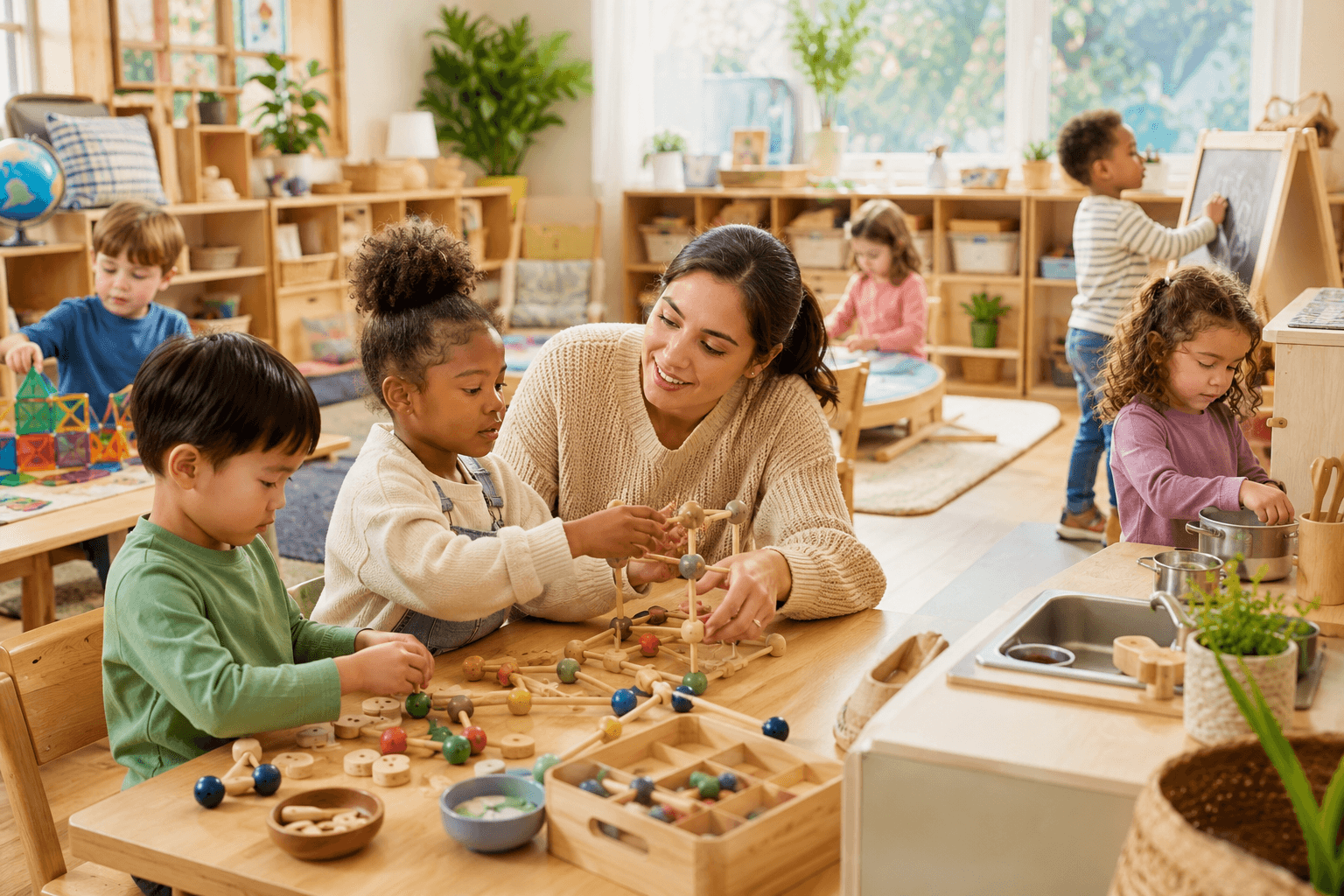
Problem-solving starts early. In preschool, it does not usually look like formal academic exercises. It looks like figuring out how to make a block tower stand, deciding what to do when two children want the same toy, finding a missing puzzle piece, or testing different ways to pour, stack, build, sort, and create. Early childhood guidance explains that preschoolers build problem-solving skills when adults encourage them to think deeply, try ideas, and solve tasks as independently as possible with intentional but minimal support.
These everyday moments matter because problem-solving is part of how children learn to think, adapt, and persist. ChildCare.gov explains that play helps children develop critical thinking through problem-solving, learn about cause and effect, and build social skills such as cooperation and handling frustration. NAEYC-aligned play guidance also describes play as an important vehicle for developing symbolic and problem-solving abilities.
Problem-solving starts early. In preschool, it does not usually look like formal academic exercises. It looks like figuring out how to make a block tower stand, deciding what to do when two children want the same toy, finding a missing puzzle piece, or testing different ways to pour, stack, build, sort, and create. Early childhood guidance explains that preschoolers build problem-solving skills when adults encourage them to think deeply, try ideas, and solve tasks as independently as possible with intentional but minimal support.
These everyday moments matter because problem-solving is part of how children learn to think, adapt, and persist. ChildCare.gov explains that play helps children develop critical thinking through problem-solving, learn about cause and effect, and build social skills such as cooperation and handling frustration. NAEYC-aligned play guidance also describes play as an important vehicle for developing symbolic and problem-solving abilities.
In a quality preschool environment, teachers do not rush in to solve every challenge right away. Instead, they observe, ask thoughtful questions, and support children as they test ideas. Head Start guidance on in-the-moment problem solving highlights practices such as anticipating challenges, staying close, providing support, helping children generate multiple solutions, and celebrating success.
Preschool classrooms are full of natural opportunities to strengthen problem-solving. Building centers, puzzles, dramatic play, sensory bins, outdoor exploration, and daily routines all invite children to try, adjust, and try again. Resources for early childhood practice note that practical life activities, blocks, puzzles, role-play, and outdoor challenges all give children chances to experiment with different solutions and learn through trial and error.
Play is especially powerful because it gives children room to make choices and work through frustration in a meaningful context. ChildCare.gov explains that structured and unstructured play both support healthy development, and that play helps children plan, organize, be flexible, manage frustration, and solve problems.
In a quality preschool environment, teachers do not rush in to solve every challenge right away. Instead, they observe, ask thoughtful questions, and support children as they test ideas. Head Start guidance on in-the-moment problem solving highlights practices such as anticipating challenges, staying close, providing support, helping children generate multiple solutions, and celebrating success.
Preschool classrooms are full of natural opportunities to strengthen problem-solving. Building centers, puzzles, dramatic play, sensory bins, outdoor exploration, and daily routines all invite children to try, adjust, and try again. Resources for early childhood practice note that practical life activities, blocks, puzzles, role-play, and outdoor challenges all give children chances to experiment with different solutions and learn through trial and error.
Play is especially powerful because it gives children room to make choices and work through frustration in a meaningful context. ChildCare.gov explains that structured and unstructured play both support healthy development, and that play helps children plan, organize, be flexible, manage frustration, and solve problems.
In a quality preschool environment, teachers do not rush in to solve every challenge right away. Instead, they observe, ask thoughtful questions, and support children as they test ideas. Head Start guidance on in-the-moment problem solving highlights practices such as anticipating challenges, staying close, providing support, helping children generate multiple solutions, and celebrating success.
Preschool classrooms are full of natural opportunities to strengthen problem-solving. Building centers, puzzles, dramatic play, sensory bins, outdoor exploration, and daily routines all invite children to try, adjust, and try again. Resources for early childhood practice note that practical life activities, blocks, puzzles, role-play, and outdoor challenges all give children chances to experiment with different solutions and learn through trial and error.
Play is especially powerful because it gives children room to make choices and work through frustration in a meaningful context. ChildCare.gov explains that structured and unstructured play both support healthy development, and that play helps children plan, organize, be flexible, manage frustration, and solve problems.
Each layer covers a different kind of risk, and together they create a much stronger safety net than any one step alone. A locked gate doesn't remove the need for supervision, and swim lessons don't remove the need for a life jacket on a boat.
The AAP recommends staying within arm's reach of young children in or near any water, including bathtubs and small pools. Assign one adult as the dedicated 'water watcher' with no phones or distractions.
Four-sided pool fencing with a self-latching gate can prevent more than half of all swimming pool drownings among young children by removing unsupervised access during non-swim times.
Formal swim lessons can begin after a child's first birthday. Skills alone don't prevent drowning, but they add an important layer alongside supervision and barriers.
Coast Guard-approved life jackets are far more reliable than inflatable arm floaties or toys, especially around boats, lakes, and open water where conditions change quickly.
Keeping a phone poolside and having at least one caregiver trained in CPR can make a critical difference in the rare moments when the other layers aren't enough.
Children build problem-solving skills by trying ideas, adjusting plans, asking questions, and working through everyday challenges with calm adult support.
Each layer covers a different kind of risk, and together they create a much stronger safety net than any one step alone. A locked gate doesn't remove the need for supervision, and swim lessons don't remove the need for a life jacket on a boat.
The AAP recommends staying within arm's reach of young children in or near any water, including bathtubs and small pools. Assign one adult as the dedicated 'water watcher' with no phones or distractions.
Four-sided pool fencing with a self-latching gate can prevent more than half of all swimming pool drownings among young children by removing unsupervised access during non-swim times.
Formal swim lessons can begin after a child's first birthday. Skills alone don't prevent drowning, but they add an important layer alongside supervision and barriers.
Coast Guard-approved life jackets are far more reliable than inflatable arm floaties or toys, especially around boats, lakes, and open water where conditions change quickly.
Keeping a phone poolside and having at least one caregiver trained in CPR can make a critical difference in the rare moments when the other layers aren't enough.
Construction play encourages children to test ideas, notice what works, and try again when a structure falls or a piece does not fit.
Dramatic play helps children solve social problems, negotiate roles, and think flexibly as they create stories together.
Nature play, obstacle paths, and open-ended outdoor challenges invite children to make decisions, adapt, and stay curious.
Teachers support problem-solving by asking questions, offering encouragement, and helping children think of more than one possible solution.
Problem-solving starts early. In preschool, it does not usually look like formal academic exercises. It looks like figuring out how to make a block tower stand, deciding what to do when two children want the same toy, finding a missing puzzle piece, or testing different ways to pour, stack, build, sort, and create. Early childhood guidance explains that preschoolers build problem-solving skills when adults encourage them to think deeply, try ideas, and solve tasks as independently as possible with intentional but minimal support.
These everyday moments matter because problem-solving is part of how children learn to think, adapt, and persist. ChildCare.gov explains that play helps children develop critical thinking through problem-solving, learn about cause and effect, and build social skills such as cooperation and handling frustration. NAEYC-aligned play guidance also describes play as an important vehicle for developing symbolic and problem-solving abilities.
Teacher support also matters. The goal is not to leave children alone with a challenge that feels overwhelming, but to offer just enough help to keep them engaged. Early childhood guidance describes this balance as encouraging independence while providing intentional support so children can solve problems as independently as possible.
Parents sometimes wonder whether problem-solving should be “taught” directly. In early childhood, it is usually developed through experience rather than lectures. When children build with blocks, negotiate in pretend play, work through a routine, or test different ideas in art and sensory play, they are practicing flexible thinking and persistence. Play guidance connected to developmentally appropriate practice explains that play supports cognition, social competence, self-regulation, and the practice of emerging skills.
This is also why frustration is not always a bad sign. Small, manageable challenges can help children develop resilience and confidence when adults stay calm and supportive. Head Start’s classroom problem-solving guidance emphasizes helping children work through upsets and conflicts by creating multiple solutions and celebrating success when a workable solution is found.
Teacher support also matters. The goal is not to leave children alone with a challenge that feels overwhelming, but to offer just enough help to keep them engaged. Early childhood guidance describes this balance as encouraging independence while providing intentional support so children can solve problems as independently as possible.
Parents sometimes wonder whether problem-solving should be “taught” directly. In early childhood, it is usually developed through experience rather than lectures. When children build with blocks, negotiate in pretend play, work through a routine, or test different ideas in art and sensory play, they are practicing flexible thinking and persistence. Play guidance connected to developmentally appropriate practice explains that play supports cognition, social competence, self-regulation, and the practice of emerging skills.
This is also why frustration is not always a bad sign. Small, manageable challenges can help children develop resilience and confidence when adults stay calm and supportive. Head Start’s classroom problem-solving guidance emphasizes helping children work through upsets and conflicts by creating multiple solutions and celebrating success when a workable solution is found.
Teacher support also matters. The goal is not to leave children alone with a challenge that feels overwhelming, but to offer just enough help to keep them engaged. Early childhood guidance describes this balance as encouraging independence while providing intentional support so children can solve problems as independently as possible.
Parents sometimes wonder whether problem-solving should be “taught” directly. In early childhood, it is usually developed through experience rather than lectures. When children build with blocks, negotiate in pretend play, work through a routine, or test different ideas in art and sensory play, they are practicing flexible thinking and persistence. Play guidance connected to developmentally appropriate practice explains that play supports cognition, social competence, self-regulation, and the practice of emerging skills.
This is also why frustration is not always a bad sign. Small, manageable challenges can help children develop resilience and confidence when adults stay calm and supportive. Head Start’s classroom problem-solving guidance emphasizes helping children work through upsets and conflicts by creating multiple solutions and celebrating success when a workable solution is found.
It often looks like experimenting, adjusting, asking questions, trying again, and working through simple social or physical challenges during play and routines.
If a child consistently becomes overwhelmed by age-appropriate tasks, or a family has concerns about development, communication, or behavior across settings, it can help to talk with teachers and the pediatrician. Ongoing collaboration helps families decide whether a child simply needs more time and practice or whether additional support may be useful.
A strong preschool program should give children room to think, explore, create, and solve problems with caring adult guidance. At Little Einsteins Academy of Tampa, families can explore programs designed to support curiosity, confidence, and whole-child development in a safe and nurturing environment.
If a child consistently becomes overwhelmed by age-appropriate tasks, or a family has concerns about development, communication, or behavior across settings, it can help to talk with teachers and the pediatrician. Ongoing collaboration helps families decide whether a child simply needs more time and practice or whether additional support may be useful.
A strong preschool program should give children room to think, explore, create, and solve problems with caring adult guidance. At Little Einsteins Academy of Tampa, families can explore programs designed to support curiosity, confidence, and whole-child development in a safe and nurturing environment.
If a child consistently becomes overwhelmed by age-appropriate tasks, or a family has concerns about development, communication, or behavior across settings, it can help to talk with teachers and the pediatrician. Ongoing collaboration helps families decide whether a child simply needs more time and practice or whether additional support may be useful.
A strong preschool program should give children room to think, explore, create, and solve problems with caring adult guidance. At Little Einsteins Academy of Tampa, families can explore programs designed to support curiosity, confidence, and whole-child development in a safe and nurturing environment.
At Little Einsteins Academy of Tampa, children build confidence and early learning skills through guided play, caring relationships, and daily classroom experiences that encourage thinking and independence.
Explore our programs, meet our teachers, and see how LEAO helps children build confidence, independence, and readiness through meaningful early learning experiences.
Disclaimer: This content is for general educational purposes only and is not medical, developmental, or legal advice. Children develop at different rates. If you have concerns about your child’s development, behavior, or learning, speak with your pediatrician or a qualified specialist. Little Einsteins Academy of Tampa operates under Florida DCF licensing requirements.
Categories
Recent post