Touch supervision, every time
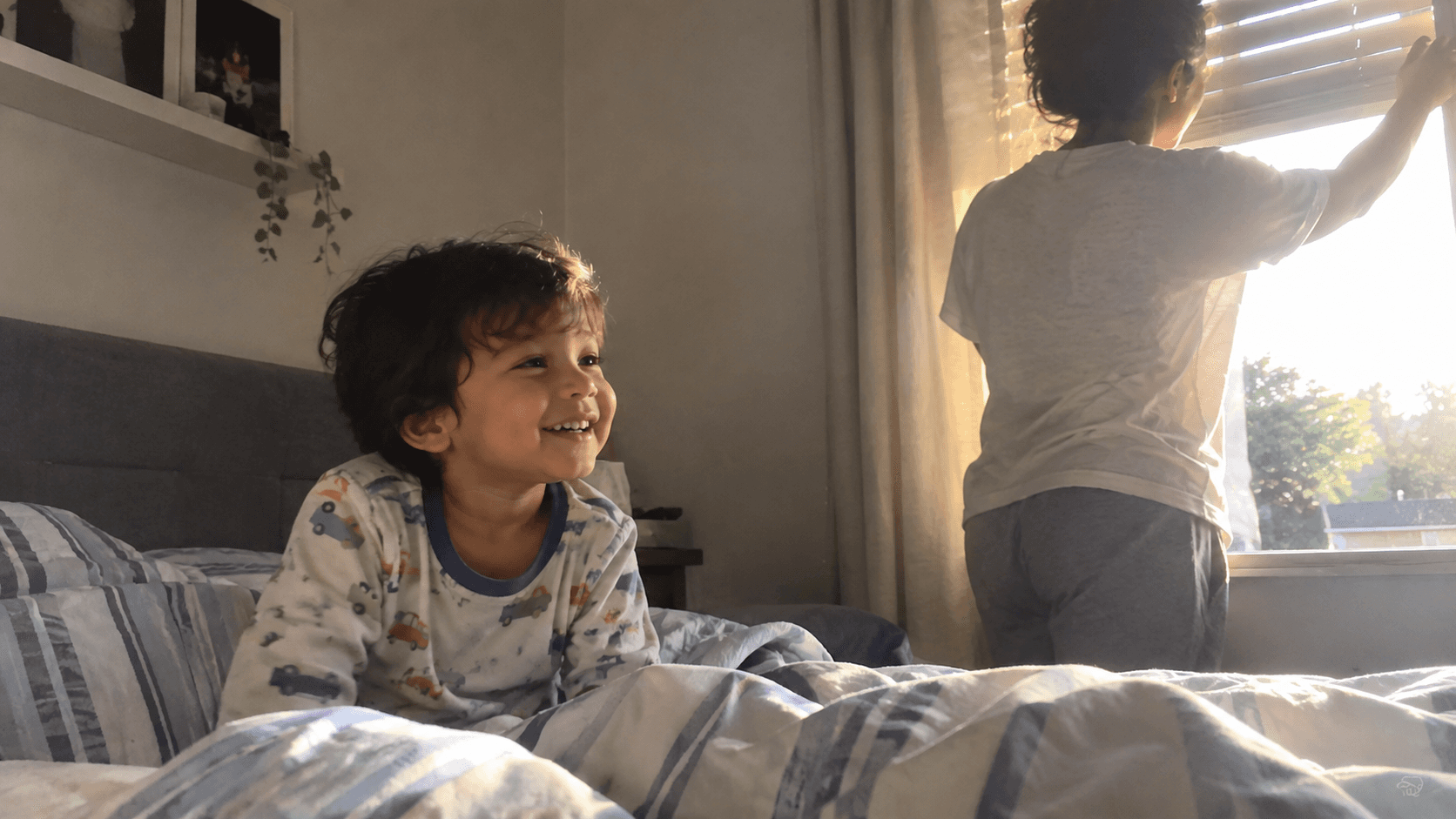
The AAP recommends staying within arm's reach of young children in or near any water, including bathtubs and small pools. Assign one adult as the dedicated 'water watcher' with no phones or distractions.


Early Learning
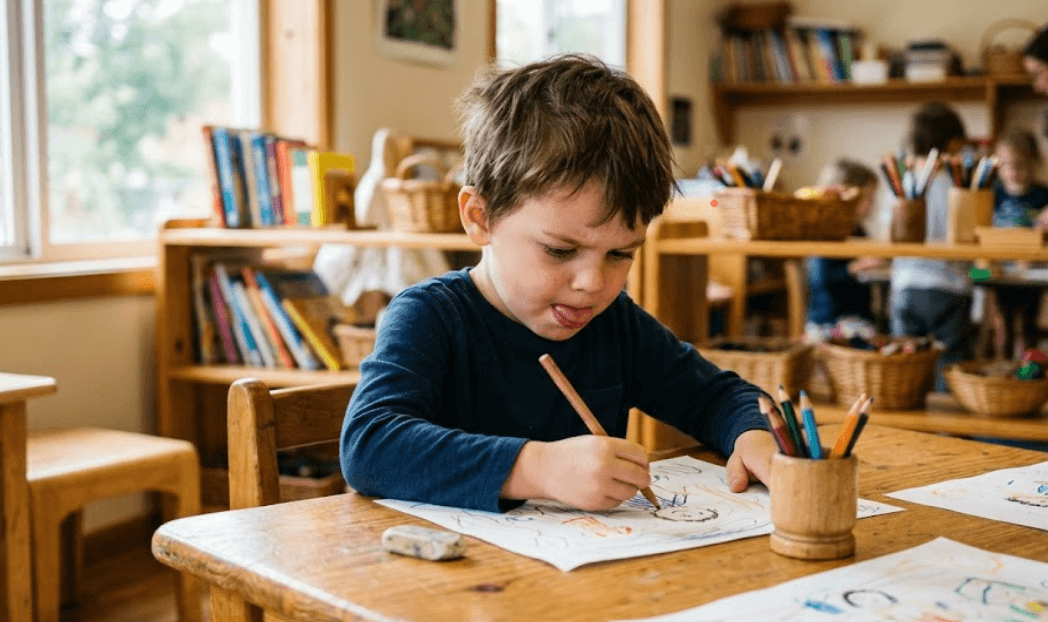
For many Tampa families, spring is the season of kindergarten decisions. Enrollment deadlines approach, school tours get scheduled, and the question that's been quietly sitting in the back of every parent's mind moves to the front: Is my child actually ready?
Kindergarten readiness isn't a single skill or a test score. It's a constellation of abilities — academic, social, emotional, and physical — that together signal a child is prepared to thrive in a structured school environment. And the good news is that most of these abilities are developed naturally through high-quality early childhood experiences in the years before kindergarten begins.
At Little Einsteins Academy of Tampa, kindergarten readiness is built into everything we do — not as a separate program, but as the natural outcome of play-based learning, structured routines, and intentional development across all four domains.
There's a common misconception that kindergarten readiness is primarily about academics — knowing the alphabet, counting to 20, recognizing shapes. These things matter, but research on early childhood development is clear: the skills that most predict kindergarten success are social and emotional, not academic.
Children who enter kindergarten able to regulate their emotions, follow multi-step directions, take turns, and persist through challenges consistently outperform children who arrive with stronger academic knowledge but weaker self-regulation skills.
This doesn't mean academics don't matter. It means that a well-rounded child — one who has developed across all four domains — is far better positioned for kindergarten than one who has been drilled on letters and numbers at the expense of everything else.
The four domains of kindergarten readiness are: academic and cognitive skills, language and literacy, social and emotional development, and physical development and self-care.
For many Tampa families, spring is the season of kindergarten decisions. Enrollment deadlines approach, school tours get scheduled, and the question that's been quietly sitting in the back of every parent's mind moves to the front: Is my child actually ready?
Kindergarten readiness isn't a single skill or a test score. It's a constellation of abilities — academic, social, emotional, and physical — that together signal a child is prepared to thrive in a structured school environment. And the good news is that most of these abilities are developed naturally through high-quality early childhood experiences in the years before kindergarten begins.
At Little Einsteins Academy of Tampa, kindergarten readiness is built into everything we do — not as a separate program, but as the natural outcome of play-based learning, structured routines, and intentional development across all four domains.
There's a common misconception that kindergarten readiness is primarily about academics — knowing the alphabet, counting to 20, recognizing shapes. These things matter, but research on early childhood development is clear: the skills that most predict kindergarten success are social and emotional, not academic.
Children who enter kindergarten able to regulate their emotions, follow multi-step directions, take turns, and persist through challenges consistently outperform children who arrive with stronger academic knowledge but weaker self-regulation skills.
This doesn't mean academics don't matter. It means that a well-rounded child — one who has developed across all four domains — is far better positioned for kindergarten than one who has been drilled on letters and numbers at the expense of everything else.
The four domains of kindergarten readiness are: academic and cognitive skills, language and literacy, social and emotional development, and physical development and self-care.
Each layer covers a different kind of risk, and together they create a much stronger safety net than any one step alone. A locked gate doesn't remove the need for supervision, and swim lessons don't remove the need for a life jacket on a boat.
The AAP recommends staying within arm's reach of young children in or near any water, including bathtubs and small pools. Assign one adult as the dedicated 'water watcher' with no phones or distractions.
Four-sided pool fencing with a self-latching gate can prevent more than half of all swimming pool drownings among young children by removing unsupervised access during non-swim times.
Formal swim lessons can begin after a child's first birthday. Skills alone don't prevent drowning, but they add an important layer alongside supervision and barriers.
Coast Guard-approved life jackets are far more reliable than inflatable arm floaties or toys, especially around boats, lakes, and open water where conditions change quickly.
Keeping a phone poolside and having at least one caregiver trained in CPR can make a critical difference in the rare moments when the other layers aren't enough.
Each layer covers a different kind of risk, and together they create a much stronger safety net than any one step alone. A locked gate doesn't remove the need for supervision, and swim lessons don't remove the need for a life jacket on a boat.
The AAP recommends staying within arm's reach of young children in or near any water, including bathtubs and small pools. Assign one adult as the dedicated 'water watcher' with no phones or distractions.
Four-sided pool fencing with a self-latching gate can prevent more than half of all swimming pool drownings among young children by removing unsupervised access during non-swim times.
Formal swim lessons can begin after a child's first birthday. Skills alone don't prevent drowning, but they add an important layer alongside supervision and barriers.
Coast Guard-approved life jackets are far more reliable than inflatable arm floaties or toys, especially around boats, lakes, and open water where conditions change quickly.
Keeping a phone poolside and having at least one caregiver trained in CPR can make a critical difference in the rare moments when the other layers aren't enough.
The skills most parents think of first — and they do matter. By age 5, children who are kindergarten-ready typically show these signs:
Signs to look for
These are the skills that matter most — and the ones preschool and daycare develop most effectively:
Signs to look for
At Little Einsteins Academy of Tampa, our VPK program and preschool classrooms are designed to build kindergarten readiness across all four domains — not through drills or worksheets, but through intentional, developmentally appropriate learning.
What Sets LEAO's Kindergarten Preparation Apart
We don't just prepare children for kindergarten. We prepare them to love it.
Come talk with our teachers about where your child stands — and how we can help.
Kindergarten readiness develops at different rates in every child. The signs listed here are general guidelines, not diagnostic criteria. For concerns about your child's development, we encourage a conversation with your child's teacher and pediatrician.
For many Tampa families, spring is the season of kindergarten decisions. Enrollment deadlines approach, school tours get scheduled, and the question that's been quietly sitting in the back of every parent's mind moves to the front: Is my child actually ready?
Kindergarten readiness isn't a single skill or a test score. It's a constellation of abilities — academic, social, emotional, and physical — that together signal a child is prepared to thrive in a structured school environment. And the good news is that most of these abilities are developed naturally through high-quality early childhood experiences in the years before kindergarten begins.
At Little Einsteins Academy of Tampa, kindergarten readiness is built into everything we do — not as a separate program, but as the natural outcome of play-based learning, structured routines, and intentional development across all four domains.
There's a common misconception that kindergarten readiness is primarily about academics — knowing the alphabet, counting to 20, recognizing shapes. These things matter, but research on early childhood development is clear: the skills that most predict kindergarten success are social and emotional, not academic.
Children who enter kindergarten able to regulate their emotions, follow multi-step directions, take turns, and persist through challenges consistently outperform children who arrive with stronger academic knowledge but weaker self-regulation skills.
This doesn't mean academics don't matter. It means that a well-rounded child — one who has developed across all four domains — is far better positioned for kindergarten than one who has been drilled on letters and numbers at the expense of everything else.
The four domains of kindergarten readiness are: academic and cognitive skills, language and literacy, social and emotional development, and physical development and self-care.
Categories
Recent post