Touch supervision, every time
The AAP recommends staying within arm's reach of young children in or near any water, including bathtubs and small pools. Assign one adult as the dedicated 'water watcher' with no phones or distractions.


Early Learning
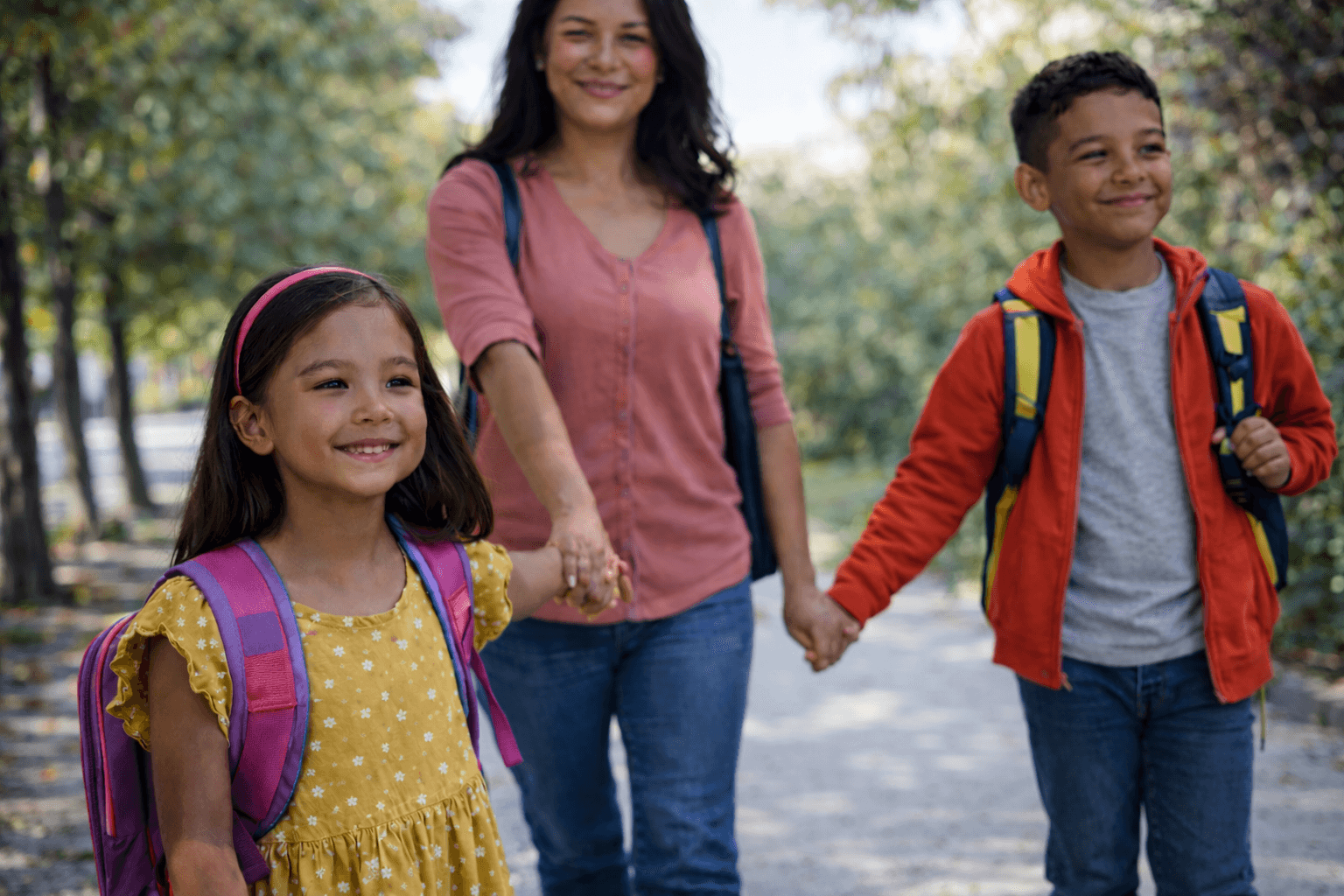
When parents think about getting their child ready for kindergarten, they often picture flashcards, worksheets, and learning to sit still at a desk. But the truth is, young children don't learn best by being lectured — they learn best by playing. Play-based learning is the foundation of early childhood education, and it's one of the most effective ways to prepare your child for the academic, social, and creative demands of kindergarten and beyond.
When parents think about getting their child ready for kindergarten, they often picture flashcards, worksheets, and learning to sit still at a desk. But the truth is, young children don't learn best by being lectured — they learn best by playing. Play-based learning is the foundation of early childhood education, and it's one of the most effective ways to prepare your child for the academic, social, and creative demands of kindergarten and beyond.
Play-based learning is an educational approach where children learn through hands-on, interactive experiences rather than passive instruction. Instead of memorizing letters from a worksheet, a child might trace letters in sand, build them out of clay, or find them hidden around the classroom. Instead of sitting through a math lesson, they count real objects, sort colored blocks, or measure ingredients during a cooking activity.
The key difference is engagement. When children are actively involved — touching, creating, experimenting, imagining — their brains form stronger connections. They're not just absorbing information; they're discovering it for themselves. And that discovery is what makes the learning stick.
Some preschool programs focus heavily on early academics — drilling letters, numbers, and writing at very young ages. While this might seem like a head start, research in early childhood education consistently shows that children who learn through play develop stronger long-term skills than children who are pushed into formal academics too early. Children in play-based programs tend to enter kindergarten with better problem-solving abilities, stronger social skills, more creativity, and — perhaps surprisingly — stronger academic foundations, because the learning happened in a way that felt natural and meaningful to them.
Creativity isn't just about art — it's about how your child approaches problems, expresses emotions, and sees the world. When a child turns a cardboard box into a spaceship, they're practicing storytelling, spatial thinking, and emotional expression all at once. When they mix colors at the paint table and discover that blue and yellow make green, they're experiencing the joy of experimentation — the same curiosity that drives scientific thinking.
Imaginative play is especially powerful for young children. When your child pretends to be a doctor, a chef, or a teacher, they're developing empathy by stepping into someone else's shoes. They're building vocabulary by creating dialogue. They're learning to negotiate and collaborate when other children join in. These aren't soft skills — they're the foundation of everything kindergarten teachers look for on day one
Not all play looks the same, and each type contributes something different to your child's development:
When parents think about getting their child ready for kindergarten, they often picture flashcards, worksheets, and learning to sit still at a desk. But the truth is, young children don't learn best by being lectured — they learn best by playing. Play-based learning is the foundation of early childhood education, and it's one of the most effective ways to prepare your child for the academic, social, and creative demands of kindergarten and beyond.
When parents think about getting their child ready for kindergarten, they often picture flashcards, worksheets, and learning to sit still at a desk. But the truth is, young children don't learn best by being lectured — they learn best by playing. Play-based learning is the foundation of early childhood education, and it's one of the most effective ways to prepare your child for the academic, social, and creative demands of kindergarten and beyond.
Play-based learning is an educational approach where children learn through hands-on, interactive experiences rather than passive instruction. Instead of memorizing letters from a worksheet, a child might trace letters in sand, build them out of clay, or find them hidden around the classroom. Instead of sitting through a math lesson, they count real objects, sort colored blocks, or measure ingredients during a cooking activity.
The key difference is engagement. When children are actively involved — touching, creating, experimenting, imagining — their brains form stronger connections. They're not just absorbing information; they're discovering it for themselves. And that discovery is what makes the learning stick.
Some preschool programs focus heavily on early academics — drilling letters, numbers, and writing at very young ages. While this might seem like a head start, research in early childhood education consistently shows that children who learn through play develop stronger long-term skills than children who are pushed into formal academics too early. Children in play-based programs tend to enter kindergarten with better problem-solving abilities, stronger social skills, more creativity, and — perhaps surprisingly — stronger academic foundations, because the learning happened in a way that felt natural and meaningful to them.
Creativity isn't just about art — it's about how your child approaches problems, expresses emotions, and sees the world. When a child turns a cardboard box into a spaceship, they're practicing storytelling, spatial thinking, and emotional expression all at once. When they mix colors at the paint table and discover that blue and yellow make green, they're experiencing the joy of experimentation — the same curiosity that drives scientific thinking.
Imaginative play is especially powerful for young children. When your child pretends to be a doctor, a chef, or a teacher, they're developing empathy by stepping into someone else's shoes. They're building vocabulary by creating dialogue. They're learning to negotiate and collaborate when other children join in. These aren't soft skills — they're the foundation of everything kindergarten teachers look for on day one
Not all play looks the same, and each type contributes something different to your child's development:
At Little Einsteins Academy, our daily schedule includes all of these types of play, intentionally woven into a structured routine that gives children both freedom to explore and the guidance they need to grow.
Our approach at Little Einsteins Academy isn't about choosing between play and learning — it's about understanding that for young children, play is learning. Here's what that looks like in practice across our programs:
At Little Einsteins Academy, our daily schedule includes all of these types of play, intentionally woven into a structured routine that gives children both freedom to explore and the guidance they need to grow.
Our approach at Little Einsteins Academy isn't about choosing between play and learning — it's about understanding that for young children, play is learning. Here's what that looks like in practice across our programs:
At Little Einsteins Academy, our daily schedule includes all of these types of play, intentionally woven into a structured routine that gives children both freedom to explore and the guidance they need to grow.
Our approach at Little Einsteins Academy isn't about choosing between play and learning — it's about understanding that for young children, play is learning. Here's what that looks like in practice across our programs:
Each layer covers a different kind of risk, and together they create a much stronger safety net than any one step alone. A locked gate doesn't remove the need for supervision, and swim lessons don't remove the need for a life jacket on a boat.
The AAP recommends staying within arm's reach of young children in or near any water, including bathtubs and small pools. Assign one adult as the dedicated 'water watcher' with no phones or distractions.
Four-sided pool fencing with a self-latching gate can prevent more than half of all swimming pool drownings among young children by removing unsupervised access during non-swim times.
Formal swim lessons can begin after a child's first birthday. Skills alone don't prevent drowning, but they add an important layer alongside supervision and barriers.
Coast Guard-approved life jackets are far more reliable than inflatable arm floaties or toys, especially around boats, lakes, and open water where conditions change quickly.
Keeping a phone poolside and having at least one caregiver trained in CPR can make a critical difference in the rare moments when the other layers aren't enough.
Each layer covers a different kind of risk, and together they create a much stronger safety net than any one step alone. A locked gate doesn't remove the need for supervision, and swim lessons don't remove the need for a life jacket on a boat.
The AAP recommends staying within arm's reach of young children in or near any water, including bathtubs and small pools. Assign one adult as the dedicated 'water watcher' with no phones or distractions.
Four-sided pool fencing with a self-latching gate can prevent more than half of all swimming pool drownings among young children by removing unsupervised access during non-swim times.
Formal swim lessons can begin after a child's first birthday. Skills alone don't prevent drowning, but they add an important layer alongside supervision and barriers.
Coast Guard-approved life jackets are far more reliable than inflatable arm floaties or toys, especially around boats, lakes, and open water where conditions change quickly.
Keeping a phone poolside and having at least one caregiver trained in CPR can make a critical difference in the rare moments when the other layers aren't enough.
When parents think about getting their child ready for kindergarten, they often picture flashcards, worksheets, and learning to sit still at a desk. But the truth is, young children don't learn best by being lectured — they learn best by playing. Play-based learning is the foundation of early childhood education, and it's one of the most effective ways to prepare your child for the academic, social, and creative demands of kindergarten and beyond.
When parents think about getting their child ready for kindergarten, they often picture flashcards, worksheets, and learning to sit still at a desk. But the truth is, young children don't learn best by being lectured — they learn best by playing. Play-based learning is the foundation of early childhood education, and it's one of the most effective ways to prepare your child for the academic, social, and creative demands of kindergarten and beyond.
Play-based learning is an educational approach where children learn through hands-on, interactive experiences rather than passive instruction. Instead of memorizing letters from a worksheet, a child might trace letters in sand, build them out of clay, or find them hidden around the classroom. Instead of sitting through a math lesson, they count real objects, sort colored blocks, or measure ingredients during a cooking activity.
The key difference is engagement. When children are actively involved — touching, creating, experimenting, imagining — their brains form stronger connections. They're not just absorbing information; they're discovering it for themselves. And that discovery is what makes the learning stick.
Some preschool programs focus heavily on early academics — drilling letters, numbers, and writing at very young ages. While this might seem like a head start, research in early childhood education consistently shows that children who learn through play develop stronger long-term skills than children who are pushed into formal academics too early. Children in play-based programs tend to enter kindergarten with better problem-solving abilities, stronger social skills, more creativity, and — perhaps surprisingly — stronger academic foundations, because the learning happened in a way that felt natural and meaningful to them.
Creativity isn't just about art — it's about how your child approaches problems, expresses emotions, and sees the world. When a child turns a cardboard box into a spaceship, they're practicing storytelling, spatial thinking, and emotional expression all at once. When they mix colors at the paint table and discover that blue and yellow make green, they're experiencing the joy of experimentation — the same curiosity that drives scientific thinking.
Imaginative play is especially powerful for young children. When your child pretends to be a doctor, a chef, or a teacher, they're developing empathy by stepping into someone else's shoes. They're building vocabulary by creating dialogue. They're learning to negotiate and collaborate when other children join in. These aren't soft skills — they're the foundation of everything kindergarten teachers look for on day one
Not all play looks the same, and each type contributes something different to your child's development:
Not at all. Play-based learning is intentional and guided. Teachers design activities with specific developmental goals, observe children during play, and step in to extend learning when the moment is right. Every activity has a purpose — even when it looks like pure fun.
Yes. Children in play-based programs learn literacy and math concepts — they just learn them through hands-on activities instead of worksheets. Your child might practice letter sounds while playing a rhyming game, or learn counting by sorting objects by color and size.
Look for signs of curiosity, problem-solving, longer attention spans, growing vocabulary, and increasing ability to cooperate with other children. Our teachers also track developmental milestones and share progress with parents regularly.
From infancy. Even newborns learn through sensory play — grasping objects, listening to sounds, watching faces. At Little Einsteins Academy, our Infant Program uses age-appropriate play-based methods from day one.
Absolutely. Florida's VPK program and kindergarten readiness standards are designed around the same developmental domains that play-based learning builds: literacy, math, social-emotional skills, physical development, and scientific thinking.
The best way to understand how play-based learning works is to see it. We invite you to schedule a tour of Little Einsteins Academy of Tampa and watch our classrooms in action. Walk our 2-acre campus, meet our teachers, and discover why Tampa families trust us with their child's earliest and most important years of learning.
Disclaimer: The information in this article reflects the educational philosophy and programs offered at Little Einsteins Academy of Tampa as of March 2026. Every child develops at their own pace. For questions about kindergarten readiness or your child's individual development, we encourage you to speak with your child's teacher or pediatrician.
Categories
Recent post


